
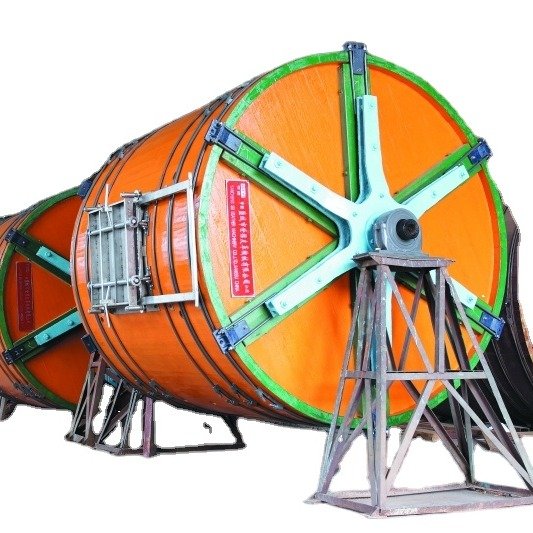
Production line and factory setup overview
A medium-industrial wet-process tannery converting properly preserved sheep and goat hides into crust or finished leather through sorting, soaking, liming and unhairing, fleshing, deliming and bating, pickling, buyer-approved tanning, sammying, splitting or shaving as required, neutralisation, retanning, dyeing, fatliquoring, drying and conditioning. It is a chemical and wastewater project, not merely a tanning-drum purchase.
Recommended lowest-entry line configuration Before buying machinery, complete a tannery feasibility and environmental design proving 2-3 t/day salted sheep/goat-hide supply, one crust-leather buyer specification, chemical recipe, water balance, sulfide/chromium route, sludge disposal and effluent-treatment performance. Screen two process drums, one flesher, small sammying/shaving equipment, drying frames and a full segregated wastewater plant.
Production process and implementation sequence
- Preserved-hide receiving and grading
- Soaking, liming and unhairing
- Fleshing and trimming
- Deliming, bating and pickling
- Buyer-approved tanning
- Sammying, splitting or shaving
- Retanning, dyeing and fatliquoring
- Drying, conditioning, grading and dispatch
Products, capacity and market fit
- Afghan sheep and goat hides can support higher-value leather if preservation improves.
- Crust leather can reduce finishing complexity at the first stage.
- A common tannery can serve several slaughter and hide-collection networks.
- Environmental compliance is essential for continuity and buyer acceptance.
- Sheep/goat crust leather - Buyer-defined substance, area, shrinkage, colour, grain and chemical limits - Leather finishers and goods manufacturers
- Finished lining or upper leather expansion - Dedicated finishing recipe and physical-performance tests - Footwear and bag makers after Phase 1
Core production machinery and line specifications
| Machine / stage | Function / value | Production note |
|---|---|---|
| Soaking/liming process drum | Rehydrates, cleans and opens preserved hides | 2-3 t/day basis |
| Hydraulic fleshing machine | Removes residual flesh and fat | Sheep/goat working width |
| Pickle/tanning drum | Applies controlled tanning chemistry | Recipe and float monitored |
| Sammying and setting machine | Removes water and opens leather area | Buyer thickness route |
| Shaving or splitting machine | Controls leather substance | Optional after product trial |
| Retan/dye/fatliquor drum | Builds feel, colour and performance | Separate controlled recipes |
| Drying and conditioning system | Dries without damaging grain or area | Toggle/frame entry option |
| Segregated effluent-treatment plant | Treats sulfide, chromium/salt and organic loads | Designed from measured streams |
Raw materials, utilities and factory requirements
- Buyer-approved salted sheep and goat hides by documented grade
- Tannery chemicals with SDS, certificates and controlled storage
- Clean process water, test reagents and protective equipment
- Pallets, wrapping and labels for identified crust lots
- Stable electricity matched to motors, controls, lighting and ventilation
- Process and sanitation water of the required quality and pressure
- Safe material storage, fire protection and worker hygiene facilities
- Dust, vapour or wastewater collection sized to the selected process
- Covered raw-material and finished-product storage with traceability
Indicative low-entry investment and implementation plan
These planning ranges prioritize economical machinery, local labor and local civil works. Final pricing follows confirmed capacity, product specification, delivery terms and site conditions.
| Scope | Indicative range | Entry-plan note |
|---|---|---|
| Feasibility, recipes and environmental design | US$25k-80k | Buyer and site-specific prerequisite |
| Drums, fleshing and wet-end machines | US$120k-360k | 2-3 t/day screening basis |
| Drying, conditioning and laboratory | US$60k-190k | One crust product |
| Effluent, chemical and safety systems | US$100k-350k | Mandatory measured-stream design |
| Civil works, installation and contingency | US$100k-320k | Corrosion-resistant wet building |
| Indicative installed project total | US$405k-1.30m | Land, hides and working chemicals excluded |
Detailed proposal and next step
The proposal contains the complete line flow, machinery scope, raw-material and utility requirements, implementation stages and indicative entry planning. Final configuration follows confirmed products, capacity, site and budget.