Production line and factory setup overview
A small hot-forging and heat-treatment line converting certified new medium-carbon steel billets or controlled reusable steel into forged mattock, axe, adze and selected hoe heads through cutting, induction or fuel heating, upset/preform forging, closed-die finishing, flash trimming, eye punching/drifting, normalization or quench-and-temper, shot blasting, grinding, hardness testing, handle fitting and proof-load inspection.
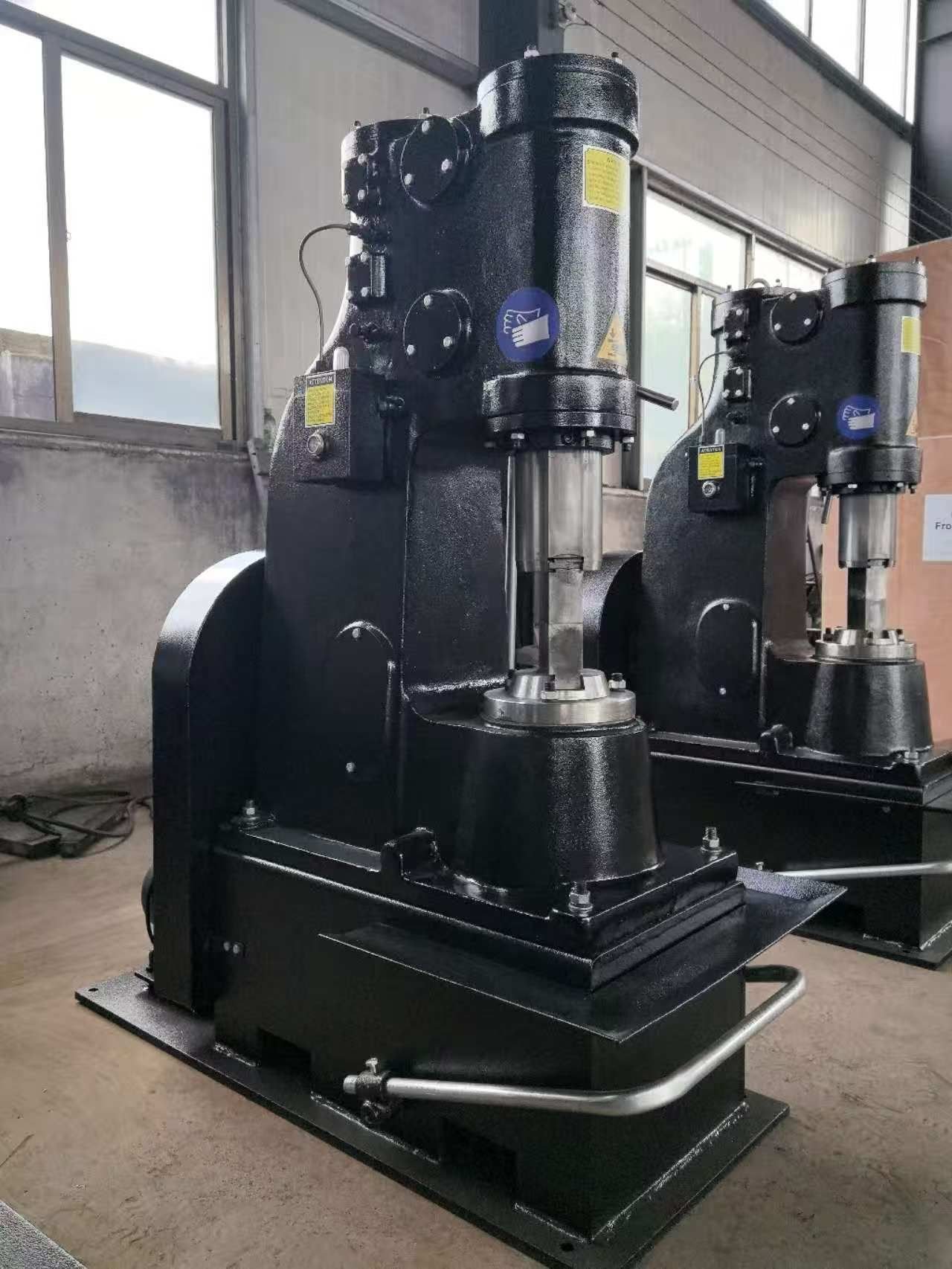
Recommended lowest-entry line configuration Launch two forged head families only, for example a mattock and an axe, using certified new 45/50-class steel. Screen a 250-400 kg air hammer or 400-630 t screw/friction press, gas or induction heater, matched dies, trim press, eye punch/drifts, controlled heat-treatment furnace, shot blaster and hardness/impact tools. Do not melt unidentified scrap or infer steel grade from appearance.
Production process and implementation sequence
- Steel certificate and billet preparation
- Controlled heating by batch recipe
- Preform and finish forging
- Flash trimming and eye punching
- Normalizing or quench-and-temper
- Shot blasting and controlled grinding
- Handle fitting and wedge locking
- Hardness, impact and proof-load release
Products, capacity and market fit
- Afghan farming and construction need repairable hand tools with reliable edges and eyes.
- Forging aligns material flow and can outperform simple cut-and-weld heads.
- Two head families keep dies and heat-treatment recipes manageable.
- Steel chemistry, heat treatment and proof tests determine safety.
- Forged mattock or pick head - Mass, eye, geometry, steel grade, heat treatment, hardness, handle and proof load - Farmers, builders and hardware trade
- Forged axe or adze head - Head mass, eye, edge angle, localized hardness, handle fit and impact test - Forestry, carpentry and rural users
Core production machinery and line specifications
| Machine / stage | Function / value | Production note |
|---|---|---|
| Billet saw and gauges | Prepares repeatable charge mass | Two head families |
| Gas/induction heater | Controls forging temperature | Recorded pyrometry |
| Air hammer or screw press | Preforms and finish-forges heads | 250-400 kg / 400-630 t |
| Dies, trim press and eye tools | Forms outline and handle eye | Dedicated sets |
| Heat-treatment furnace and quench | Develops strength and edge hardness | Recipe controlled |
| Shot blast, grinders and laboratory | Finishes and releases heads | Hardness/crack tests |
Raw materials, utilities and factory requirements
- Certified medium-carbon steel billet or bar by heat number
- Kiln-dried local hardwood handles after species and moisture approval
- Quench media, abrasives, wedges, coating and packing
- Stable three-phase power with protected distribution
- Guarded hot-work or forming zones and emergency stops
- Covered raw-material and finished-goods storage
- Fume/dust extraction, fire protection and disciplined housekeeping
- Quench ventilation, spill containment and temperature-recording instruments
Indicative low-entry investment and implementation plan
These planning ranges prioritize economical machinery, local labor and local civil works. Final pricing follows confirmed capacity, product specification, delivery terms and site conditions.
| Scope | Indicative range | Entry-plan note |
|---|---|---|
| Saw, heater and forging machine | US$28k-72k | Two-head entry |
| Dies, trim and eye tooling | US$10k-28k | Dedicated families |
| Heat treatment, finishing and laboratory | US$15k-42k | Mandatory quality scope |
| Freight, installation and spares | US$10k-28k | Foundation and training |
| Indicative installed low-entry total | US$63k-170k | Building and working steel excluded |
Detailed proposal and next step
The proposal contains the complete line flow, machinery scope, raw-material and utility requirements, implementation stages and indicative entry planning. Final configuration follows confirmed products, capacity, site and budget.