Production line and factory setup overview
A micro/small yarn-finishing line rewinding purchased or locally spun yarn from bobbins, hanks or cones into consistent buyer packages through lot receiving, yarn identification, tension-controlled unwinding, optional electronic fault clearing and air splicing, waxing where required, length or weight control, cone building, inspection, conditioning and packing. It does not spin fibre into yarn.
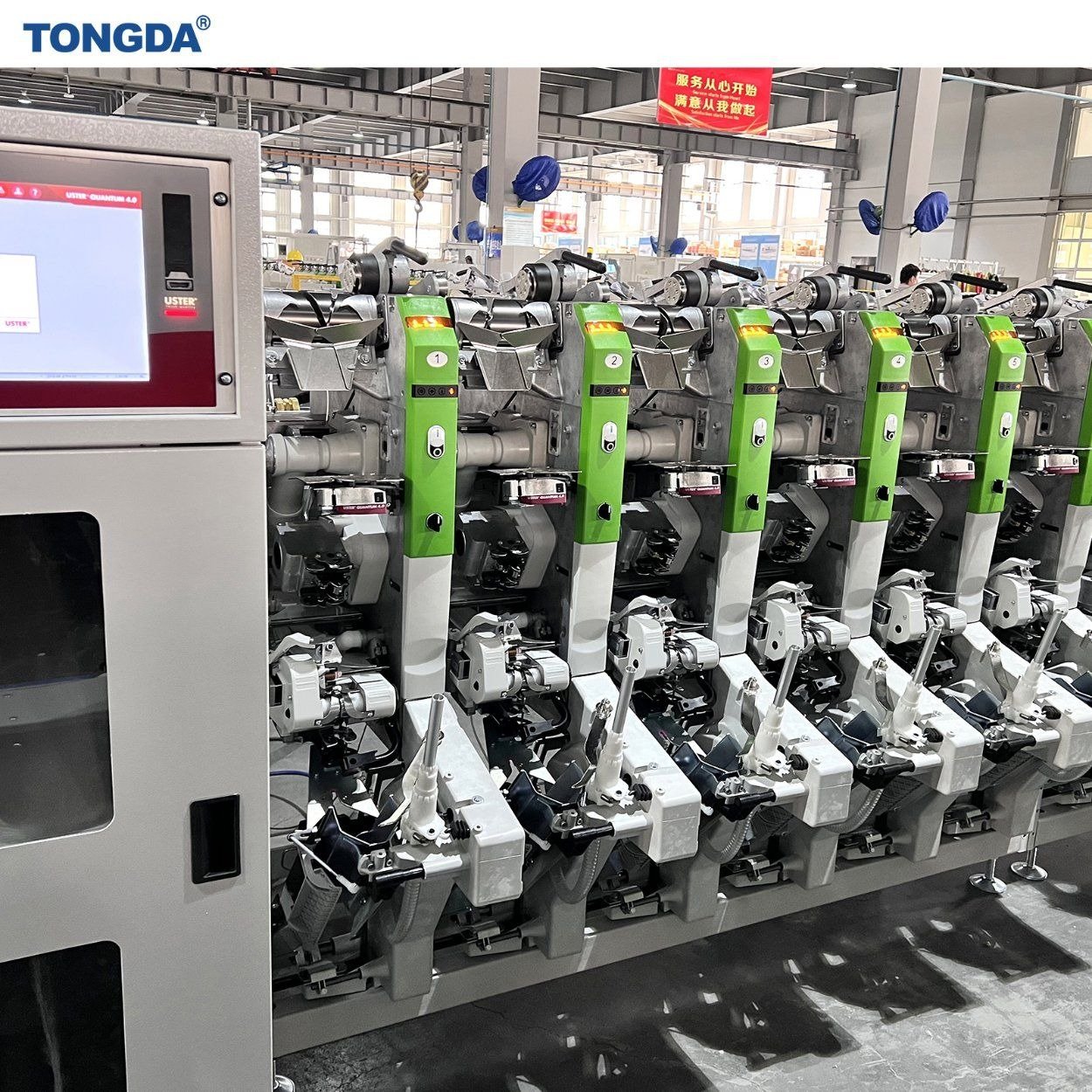
Recommended lowest-entry line configuration For the lowest entry, use one modular 6-12 spindle cone winder operating up to roughly 800-1,000 m/min with independent drives, break stop, tension device, length counter and optional waxing. Add an electronic clearer and air splicer only when the buyer pays for cleared knotless packages; do not begin with a 60-80 spindle auto-coner.
Production process and implementation sequence
- Yarn receiving and lot verification
- Input-package inspection
- Tension-controlled unwinding
- Optional electronic clearing
- Optional air splicing or knotting
- Waxing where specified
- Cone building and length control
- Inspection, conditioning and packing
Products, capacity and market fit
- Small winding services can support knitters, weavers and traders using mixed package formats.
- Length, tension and package-density control improve downstream machine efficiency.
- Modular spindles allow capacity expansion after repeat orders.
- Electronic clearing is valuable only when yarn faults and buyer specifications justify it.
- Knitting or weaving yarn cones - Buyer-agreed yarn count, package cone, density, weight, tension and splice quality - Knitting and weaving workshops
- Retail or industrial rewound yarn - Declared length or weight with controlled lot and colour - Traders and small manufacturers
Core production machinery and line specifications
| Machine / stage | Function / value | Production note |
|---|---|---|
| Input creel and tension unit | Holds the selected source package and controls feed | Hank, bobbin or cone specific |
| Six- to twelve-spindle winder | Builds consistent cones | Independent drives and break stop |
| Length and speed controller | Stops packages at the target length | Calibrated per spindle |
| Optional electronic yarn clearer | Cuts selected thick, thin or foreign faults | Buyer-approved settings |
| Optional air splicer | Makes lower-profile joints | Compressed air and yarn trial |
| Waxing attachment | Applies controlled wax for knitting yarn | Only when specified |
| Cone scale and inspection bench | Checks weight, shape and appearance | Master package standard |
| Conditioning and packing area | Stabilizes and protects released cones | Lot-separated cartons or bags |
Raw materials, utilities and factory requirements
- Purchased or locally produced yarn by count, fibre, ply, colour and lot
- Buyer-specified paper or plastic cones
- Wax, labels, bags, cartons and pallet materials
- Splicer, clearer and wear-part consumables where fitted
- Stable three-phase electricity with transformer, power-quality and motor-starting study
- Central dust or lint extraction with fire-safe collection and housekeeping
- Controlled temperature and humidity suited to the confirmed fibre, yarn or fabric
- Dry covered raw-material and finished-product storage with lot traceability
- Compressed air, process water, steam and wastewater treatment where the selected process requires them
Indicative low-entry investment and implementation plan
These planning ranges prioritize economical machinery, local labor and local civil works. Final pricing follows confirmed capacity, product specification, delivery terms and site conditions.
| Scope | Indicative range | Entry-plan note |
|---|---|---|
| Six- to twelve-spindle winding machine | US$3k-10k | Modular independent heads |
| Creels, clearer/splicer options and compressor | US$2k-8k | Only buyer-required options |
| Scales, inspection and packing tools | US$1k-4k | Manual entry scope |
| Freight, installation and initial spares | US$2k-6k | Motors and tension parts |
| Indicative low-entry total | US$8k-28k | Building and yarn stock excluded |
Detailed proposal and next step
The proposal contains the complete line flow, machinery scope, raw-material and utility requirements, implementation stages and indicative entry planning. Final configuration follows confirmed products, capacity, site and budget.