Production line and factory setup overview
A small/medium wet-processing line dyeing released cotton, wool or selected synthetic yarn in package or hank form through lot preparation, optional scouring or bleaching, controlled dye-bath circulation, dosing, washing, neutralisation, hydro-extraction, drying, conditioning, shade inspection, rewinding where required and packing. Fibre chemistry, package form and wastewater route must be fixed before machine selection.
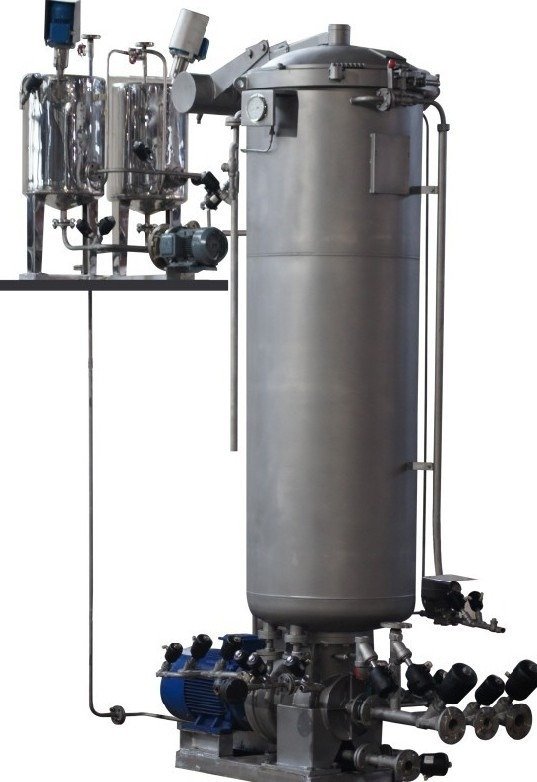
Recommended lowest-entry line configuration For an economical launch, select one fibre route and one package form. Screen a 10-30 kg atmospheric hank or package dye machine, manual or semi-automatic dosing, small hydro-extractor, yarn dryer, water softening, steam generator and a complete segregated effluent-treatment system. High-temperature polyester package dyeing requires a certified pressure vessel and a higher utility basis.
Production process and implementation sequence
- Yarn receiving and laboratory release
- Soft winding or hank preparation
- Scouring or bleaching where required
- Dye-bath make-up and controlled dosing
- Dyeing with circulation or spray control
- Washing, neutralisation and soaping
- Hydro-extraction and controlled drying
- Shade release, rewinding and packing
Products, capacity and market fit
- Local knitters, weavers and carpet makers need repeatable coloured yarn in smaller lots.
- Small batches can serve regional colours without importing every finished shade.
- One fibre and dye class at launch reduces recipe and wastewater complexity.
- Shade repeatability and effluent compliance determine commercial credibility.
- Dyed cotton yarn - One buyer-approved count, package or hank, shade standard, colourfastness and moisture - Knitting, weaving and carpet workshops
- Wool-yarn dyeing expansion - Separate acid-dye recipe, temperature and handle standard - Carpet and apparel makers after dedicated trials
Core production machinery and line specifications
| Machine / stage | Function / value | Production note |
|---|---|---|
| Soft package winder or hank preparation | Creates dye-permeable yarn packages | Matched to launch form |
| Ten- to thirty-kilogram dye vessel | Controls liquor circulation and temperature | Atmospheric entry basis |
| Dosing and addition tank | Adds dyes and chemicals reproducibly | Measured manual or semi-auto |
| Hydro-extractor | Removes excess water after washing | Balanced yarn carriers |
| Yarn dryer | Dries packages or hanks without shade damage | Temperature and airflow controlled |
| Water softener and steam generator | Provides recipe-quality water and heat | Sized to batch profile |
| Laboratory dyeing and shade instruments | Develops recipes and approves colour | Master standards and light box |
| Effluent-treatment system | Controls pH, colour, COD and sludge | Complete permitted route |
Raw materials, utilities and factory requirements
- Released cotton, wool or selected synthetic yarn by count, package, lot and moisture
- Buyer-approved dyes and fibre-specific auxiliaries with safety data
- Soft cones, springs, hanks, labels, bags and cartons
- Water-treatment chemicals, laboratory standards and wastewater consumables
- Stable three-phase electricity with transformer, power-quality and motor-starting study
- Central dust or lint extraction with fire-safe collection and housekeeping
- Controlled temperature and humidity suited to the confirmed fibre, yarn or fabric
- Dry covered raw-material and finished-product storage with lot traceability
- Compressed air, process water, steam and wastewater treatment where the selected process requires them
Indicative low-entry investment and implementation plan
These planning ranges prioritize economical machinery, local labor and local civil works. Final pricing follows confirmed capacity, product specification, delivery terms and site conditions.
| Scope | Indicative range | Entry-plan note |
|---|---|---|
| 10-30 kg dye vessel and yarn carriers | US$12k-35k | One fibre and package route |
| Hydro-extractor, dryer and handling | US$8k-24k | Small-batch matched |
| Water, steam, laboratory and dosing | US$10k-28k | Recipe-critical utilities |
| Effluent treatment, freight and installation | US$18k-48k | Mandatory wet-process scope |
| Indicative low-entry total | US$48k-135k | Building, dyes and yarn stock excluded |
Detailed proposal and next step
The proposal contains the complete line flow, machinery scope, raw-material and utility requirements, implementation stages and indicative entry planning. Final configuration follows confirmed products, capacity, site and budget.