Production line and factory setup overview
A small commercial woollen-spinning line converting released scoured and card-ready wool into knitting, weaving or carpet yarn through fibre conditioning and blending, opening, carding, web division or condenser slubbing, roving where the selected system requires it, ring spinning, yarn clearing, cone winding, conditioning, laboratory release and packing. Wool washing and dyeing are separate unless expressly included.
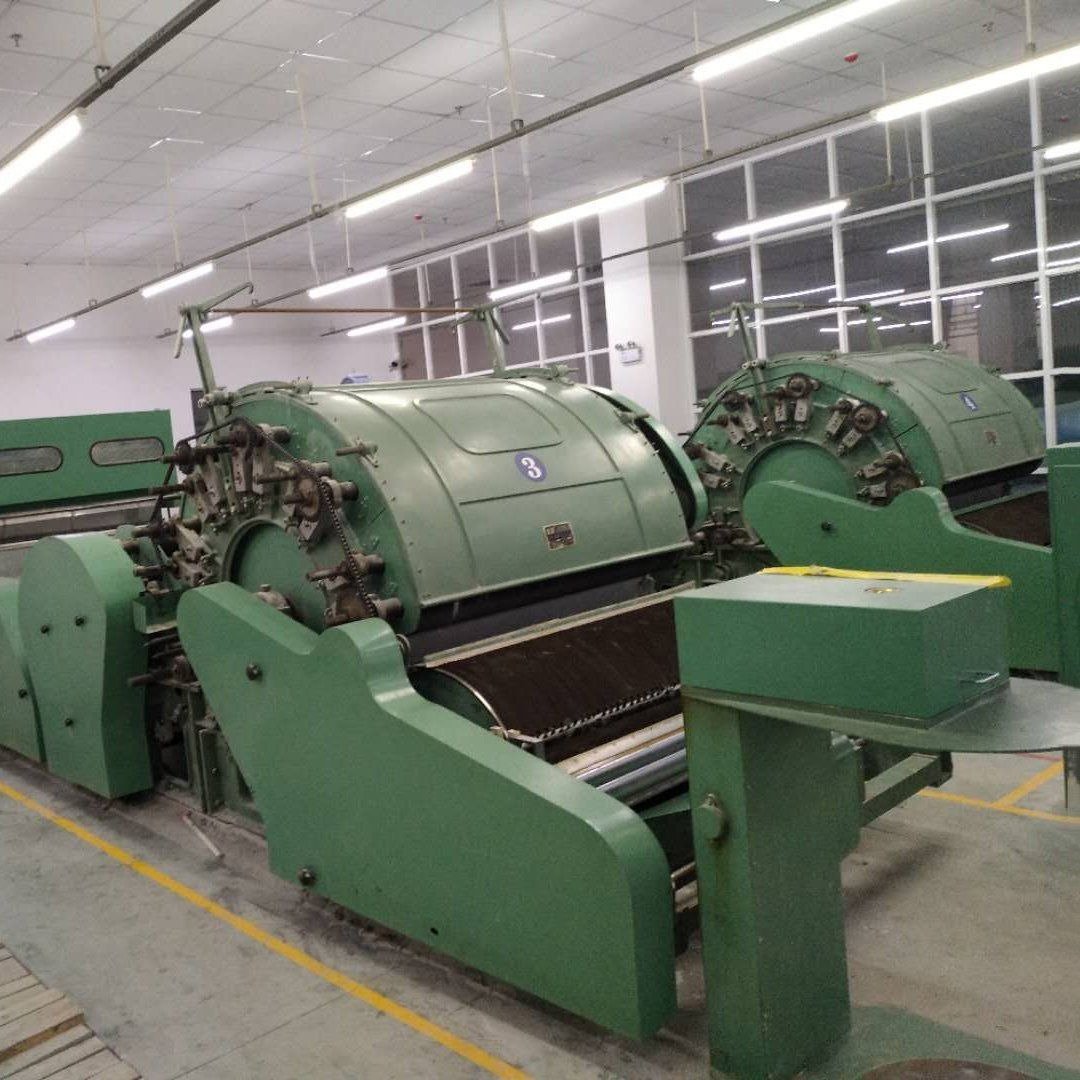
Recommended lowest-entry line configuration Begin with one coarse woollen count and one buyer. Screen a coherent mini-mill comprising a gentle opener/blender, woollen card with condenser or sliver route, matched roving only if required, one supported small ring frame, a 6-12 spindle cone winder, humidification, waste extraction and yarn laboratory. A ring frame alone is not a wool-yarn production line.
Production process and implementation sequence
- Scoured-wool receiving and laboratory release
- Conditioning, opening and fibre blending
- Wool carding and web formation
- Condenser slubbing or sliver preparation
- Optional roving and drafting
- Ring spinning and doffing
- Yarn clearing and cone winding
- Conditioning, testing, packing and dispatch
Products, capacity and market fit
- Afghan wool can enter carpet, blanket, knitwear and handcraft supply chains when count and strength are repeatable.
- A coarse woollen route tolerates shorter and more variable fibres than a fine worsted mill.
- One yarn count and fibre blend reduce drafting, twist and inventory complexity.
- Local spinning is viable only when clean-wool yield, buyer quality and maintenance support are proven.
- Coarse woollen carpet or weaving yarn - One buyer-approved metric count, ply, twist, strength, evenness, hairiness and package - Carpet, blanket and coarse-weaving producers
- Knitting-yarn expansion - Separate softer blend, count, twist, dyeing and handle approval - Knitwear and handcraft makers after trials
Core production machinery and line specifications
| Machine / stage | Function / value | Production note |
|---|---|---|
| Fibre conditioner, opener and blender | Prepares controlled wool lots with approved spin finish | One launch blend |
| Woollen card and condenser | Cards fibre and forms slubbings for coarse yarn | Matched to fibre length and count |
| Optional draw/roving preparation | Levels and drafts sliver where the route requires it | Supplier process-specific |
| Small wool ring frame | Drafts and twists prepared fibre into yarn | 240-480 spindle entry basis |
| Cone winder with tension control | Clears faults and builds buyer packages | 6-12 spindle starter |
| Humidification and waste extraction | Controls fibre behavior, dust and housekeeping | Fire-safe room design |
| Yarn laboratory | Tests count, twist, strength and evenness | Buyer methods |
| Conditioning and packing equipment | Stabilizes regain and protects cones | Lot-traceable packing |
Raw materials, utilities and factory requirements
- Released scoured wool by fineness, length, colour, moisture and vegetable matter
- Approved blend fibres and spin finish only after trials
- Cones, bags, cartons, labels and pallets
- Card clothing, travellers, rings, aprons, cots and winding spares
- Stable three-phase power with motor-starting and backup plan
- Controlled temperature and humidity for wool processing
- Fire-safe fibre waste extraction and rigorous housekeeping
- Compressed air for winding and controls where specified
- Dry separated fibre and yarn storage with lot traceability
Indicative low-entry investment and implementation plan
These planning ranges prioritize economical machinery, local labor and local civil works. Final pricing follows confirmed capacity, product specification, delivery terms and site conditions.
| Scope | Indicative range | Entry-plan note |
|---|---|---|
| Opening, blending and wool card/condenser | US$55k-155k | Core woollen preparation |
| Roving if required and small ring frame | US$65k-190k | 240-480 spindle entry basis |
| Winder, laboratory, humidity and waste systems | US$28k-85k | Quality and environment |
| Freight, electrical, installation and spares | US$35k-105k | Specialist setup and training |
| Indicative installed mini-mill total | US$183k-535k | Wool washing, building and working stock excluded |
Detailed proposal and next step
The proposal contains the complete line flow, machinery scope, raw-material and utility requirements, implementation stages and indicative entry planning. Final configuration follows confirmed products, capacity, site and budget.