Production line and factory setup overview
A micro/small complete sock workshop converting released yarn into finished plain or terry socks through pattern programming, yarn creeling, computerized single-cylinder knitting, piece inspection, toe closing or linking, turning, optional washing, steam or electric boarding, pair matching, metal checking, tagging and packing. Yarn dyeing is not included.
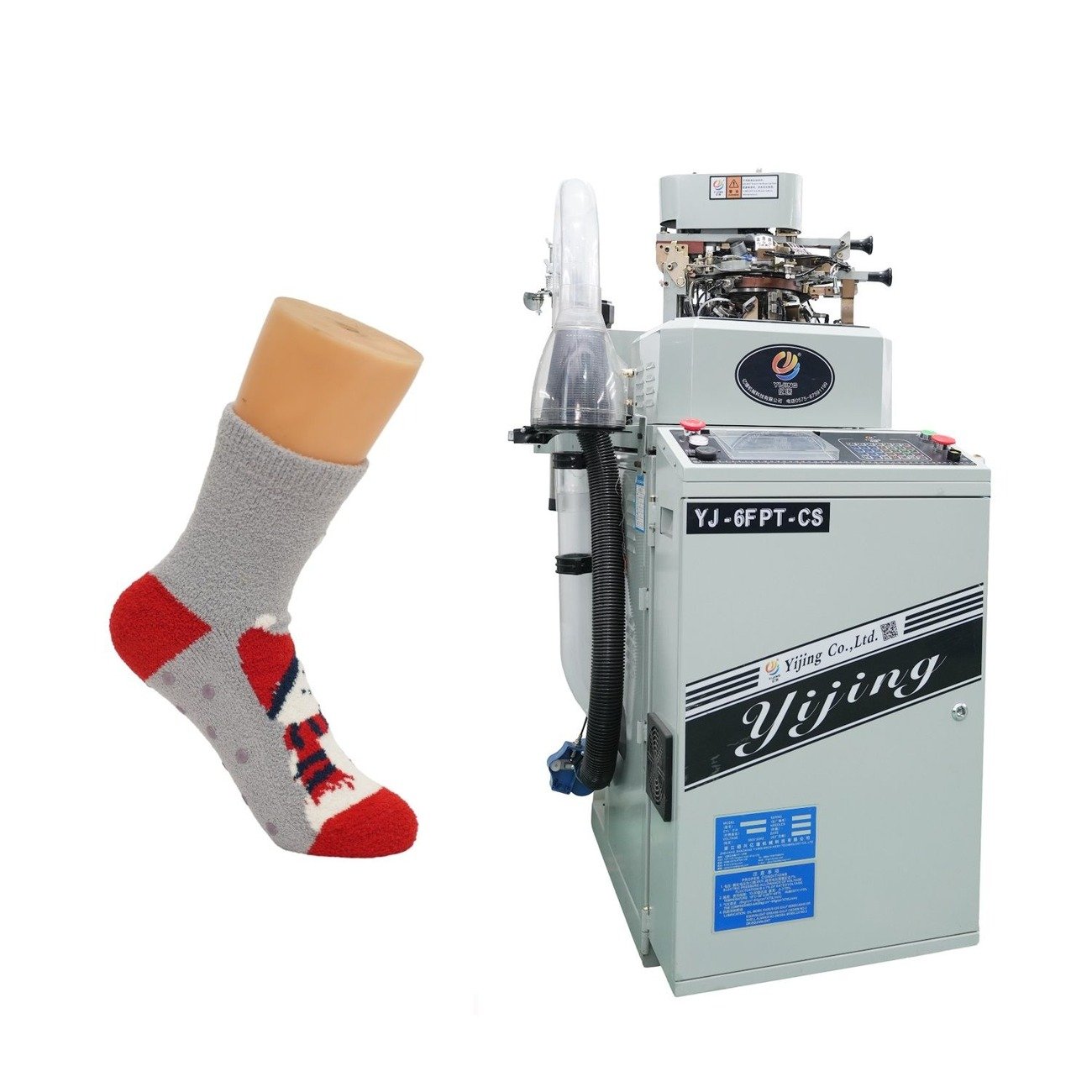
Recommended lowest-entry line configuration For the lowest commercial entry, install two identical 3.75-inch plain/terry computerized sock machines selected for one needle count, one toe-closing machine, one simple six- to twelve-form electric or box boarding unit, compressor, pattern workstation, inspection tables and packing tools. Launch three sizes and six core designs using pre-dyed yarn; avoid one machine for every style.
Production process and implementation sequence
- Yarn receiving and colour-lot release
- Pattern programming and machine setup
- Computerized sock knitting
- Piece inspection and turning
- Toe closing or linking
- Optional washing and hydro-extraction
- Steam or electric boarding
- Pair matching, tagging and packing
Products, capacity and market fit
- Afghan retail and institutional buyers consume repeat basic socks throughout the year.
- A two-machine cell provides backup and allows controlled style changeovers.
- Pre-dyed yarn avoids dyeing chemistry and wastewater at launch.
- Local pattern, sizing and packaging can differentiate a small workshop.
- Plain everyday socks - Buyer-approved size, needle count, yarn blend, welt stretch, heel/toe and pair weight - Retail, school and institutional buyers
- Terry work or winter socks - Separate terry programme, yarn consumption and boarding standard - Workers and cold-season retail after trials
Core production machinery and line specifications
| Machine / stage | Function / value | Production note |
|---|---|---|
| Two computerized sock knitters | Knit welt, leg, heel, foot and toe courses | One selected needle count |
| Yarn creels and compressor | Feed yarn and operate pneumatic selectors | Dry stable air |
| Pattern workstation and backup | Creates and controls approved designs | Master files protected |
| Sock turning and toe-closing machine | Turns pieces and closes the open toe | Comfortable linked seam |
| Optional washer and extractor | Cleans and prepares socks for boarding | Only if required by product |
| Six- to twelve-form boarding unit | Sets size, shape and appearance | Electric or compact steam entry |
| Inspection and metal-check station | Checks seams, defects, size and needles | Every pair verified |
| Tagging and packing tools | Pairs, labels and protects finished socks | Manual launch scope |
Raw materials, utilities and factory requirements
- Pre-dyed cotton, polyester, nylon or blend sock yarn by count and colour lot
- Covered elastane or rubber thread to approved welt specification
- Labels, hooks, bands, bags and cartons
- Needles, sinkers, selectors, toe-closing thread and lubricants
- Stable three-phase electricity with transformer, power-quality and motor-starting study
- Central dust or lint extraction with fire-safe collection and housekeeping
- Controlled temperature and humidity suited to the confirmed fibre, yarn or fabric
- Dry covered raw-material and finished-product storage with lot traceability
- Compressed air, process water, steam and wastewater treatment where the selected process requires them
Indicative low-entry investment and implementation plan
These planning ranges prioritize economical machinery, local labor and local civil works. Final pricing follows confirmed capacity, product specification, delivery terms and site conditions.
| Scope | Indicative range | Entry-plan note |
|---|---|---|
| Two computerized sock knitting machines | US$6k-16k | One needle-count family |
| Toe closer, turner and compressor | US$3k-8k | Manual handling entry |
| Simple boarding, inspection and packing | US$3k-9k | Six to twelve forms |
| Freight, setup, patterns and initial spares | US$3k-9k | Needles and selectors |
| Indicative low-entry total | US$15k-42k | Yarn dyeing, building and yarn stock excluded |
Detailed proposal and next step
The proposal contains the complete line flow, machinery scope, raw-material and utility requirements, implementation stages and indicative entry planning. Final configuration follows confirmed products, capacity, site and budget.