Production line and factory setup overview
A large strategic textile mill converting approved cotton yarn into one woven cotton-fabric family through yarn receiving, warping, sizing, drawing-in, rapier or air-jet weaving, greige inspection, singeing and desizing where applicable, continuous or batch bleaching/dyeing, washing, stentering, finishing, inspection, testing, rolling and packing. It does not include spinning, printing or garment sewing unless separately engineered.
Recommended lowest-entry line configuration Screen one 100% cotton greige-to-finished fabric family first, such as plain dyed shirting or sheeting, with 24-48 looms and a matched wet-processing range. The feasibility study must validate yarn availability, fabric demand, steam, water, effluent treatment, dye-house laboratory, chemical management, finishing quality and off-take. Start with one colour palette and one finish; printing and broad fashion ranges are later phases.
Production process and implementation sequence
- Yarn receipt, testing and warping
- Sizing and drawing-in
- Rapier or air-jet weaving
- Greige inspection and repair
- Desizing/singeing and preparation
- Bleaching or dyeing and washing
- Stentering, finishing and shrinkage control
- Final inspection, testing, rolling and packing
Products, capacity and market fit
- Afghan cotton and regional yarn supply can support higher-value fabric conversion.
- A single fabric construction and finish sharply reduces yarn, dye and quality complexity.
- Wet processing is viable only with engineered water, steam and full effluent treatment.
- Fabric width, shade consistency, shrinkage and colour fastness decide buyer acceptance.
- Finished woven cotton shirting or sheeting fabric - Construction, width, mass, shade, tensile/tear strength, shrinkage, pilling, colour fastness, residual chemicals and roll length - Qualified Afghan and regional garment, bedding and uniform buyers
Core production machinery and line specifications
| Machine / stage | Function / value | Production note |
|---|---|---|
| Warping, sizing and drawing-in preparation | Builds stable warp beams for the selected construction | One yarn and width family |
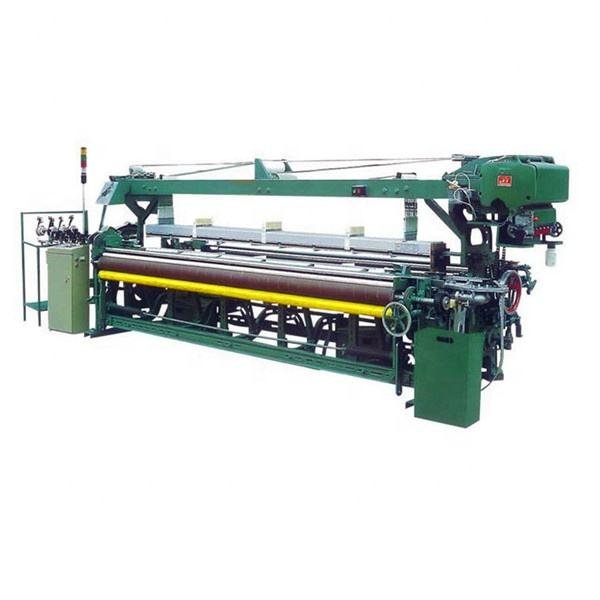
| Rapier or air-jet weaving looms | Produces controlled greige fabric | 24-48 loom screen |
| Greige inspection and repair system | Finds defects before wet processing | Four-point or buyer method |
| Dyeing, washing and stenter range | Applies stable shade and finish | One colour/finish family |
| Textile laboratory, roll inspection and effluent plant | Releases fabric and controls wastewater | Mandatory wet-process scope |
Raw materials, utilities and factory requirements
- Buyer-approved cotton yarn by count, twist, strength and contamination limits
- Validated dyes, auxiliaries, enzymes and finishing chemicals
- Roll cores, protective wrap, labels, cartons and pallets
- Stable three-phase electricity with verified connected load
- Guarded machinery, lockout, ventilation and fire protection
- Covered segregated raw-material and finished-goods storage
- Maintenance tools, safe lifting and critical spare parts
- Continuous steam, soft/process water, compressed air and controlled humidity
- Chemical store, automatic dosing, fume capture and full textile-effluent treatment
- Fire-protected yarn/fabric storage and quality laboratory
Indicative low-entry investment and implementation plan
These planning ranges prioritize economical machinery, local labor and local civil works. Final pricing follows confirmed capacity, product specification, delivery terms and site conditions.
| Scope | Indicative range | Entry-plan note |
|---|---|---|
| Warping, sizing, preparation and 24-48 looms | US$2.8m-8m | One cotton construction |
| Dyeing, washing, stenter and finishing | US$3m-9m | One colour/finish route |
| Utility, lab, inspection and effluent systems | US$2m-6m | Mandatory wet processing |
| Civil, installation, freight and commissioning | US$2m-6m | Buyer trials required |
| Indicative strategic project total | US$9.8m-29m | Land, yarn stock and finance excluded |
Detailed proposal and next step
The proposal contains the complete line flow, machinery scope, raw-material and utility requirements, implementation stages and indicative entry planning. Final configuration follows confirmed products, capacity, site and budget.