
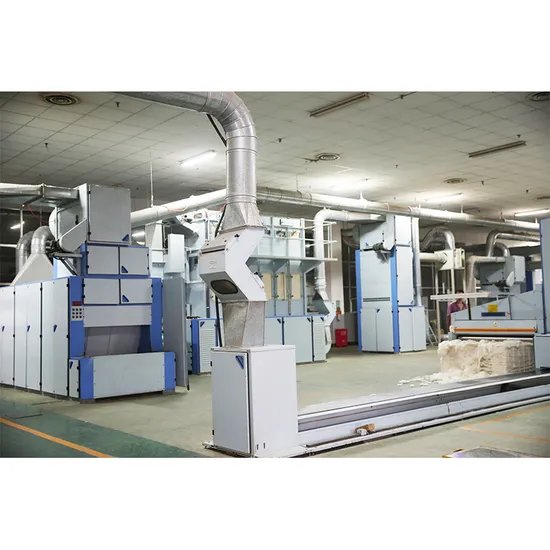
Production line and factory setup overview
A large strategic mill converting classed Afghan ginned cotton into one ring-spun yarn count through bale laydown and blending, blowroom opening and cleaning, carding, draw-frame passages, optional combing for the selected quality, simplex roving, ring spinning, automatic winding, humidification, waste recovery, yarn testing, conditioning and packing. A ring frame by itself is not an integrated spinning mill; cotton ginning remains a separate upstream operation.
Recommended lowest-entry line configuration Screen a phased 10,000-25,000 spindle carded-yarn mill before committing to a larger plant. Begin with one commercially proven count such as Ne 20/1, independently tested ginned cotton, coherent blowroom-to-winder equipment, humidification, standby-power plan, cotton/yarn laboratory, fire-protected bale store and confirmed yarn offtake. Add combing, finer counts and weaving only after stable carded-yarn trials and buyer demand.
Production process and implementation sequence
- Ginned-cotton receiving, classing and bale laydown
- Blowroom opening, blending and cleaning
- Carding and sliver quality release
- Draw-frame passages and optional combing
- Simplex roving and ring spinning
- Automatic winding and yarn clearing
- Conditioning, laboratory release and packing
- Waste recovery, traceability and dispatch
Products, capacity and market fit
- Afghan cotton can retain substantially more value when cleaned, spun and sold to defined yarn specifications.
- One carded count reduces fibre, drafting, twist and inventory complexity at launch.
- Humidification, cotton quality, contamination control and power stability decide spinning performance.
- A mill needs buyer-approved yarn trials and professional maintenance, not simply a low machine price.
- Carded ring-spun cotton yarn - Declared count, twist, strength, elongation, evenness, hairiness, contamination, package build and moisture regain - Qualified Afghan and regional knit, weaving and sewing-thread buyers
Core production machinery and line specifications
| Machine / stage | Function / value | Production note |
|---|---|---|
| Bale laydown, blowroom and cleaning train | Blends and removes trash from classed cotton | One controlled cotton class |
| Carding and draw-frame system | Forms and levels spinning sliver | Count-specific preparation |
| Optional combing and simplex roving | Improves selected quality and prepares roving | Only if buyer quality requires |
| Ring frames and automatic winders | Spins and clears the agreed yarn count | 10k-25k spindle screen |
| Humidification, waste recovery and yarn laboratory | Controls fibre behaviour, safety and buyer release | Three-shift continuous duty |
Raw materials, utilities and factory requirements
- Classed ginned Afghan cotton with independent HVI/AFIS results
- Cones, labels, cartons, pallets and required spinning consumables
- Card clothing, cots, aprons, rings, travellers and critical electrical spares
- Stable three-phase electricity with verified connected load
- Guarded machinery, lockout, ventilation and fire protection
- Covered segregated raw-material and finished-goods storage
- Maintenance tools, safe lifting and critical spare parts
- Engineered humidification, cotton-dust extraction and fire-protected bale/yarn storage
- Stable high-quality electricity, backup generation and compressed air
- Professional maintenance workshop, cotton/yarn laboratory and trained three-shift team
Indicative low-entry investment and implementation plan
These planning ranges prioritize economical machinery, local labor and local civil works. Final pricing follows confirmed capacity, product specification, delivery terms and site conditions.
| Scope | Indicative range | Entry-plan note |
|---|---|---|
| Bale handling, blowroom, carding and drawing | US$2.5m-6m | Phased 10k-25k spindle basis |
| Roving, ring spinning and winding | US$4m-11m | One carded yarn count |
| Humidity, waste, laboratory and fire systems | US$1.2m-3.5m | Continuous mill support |
| Civil, electrical, freight, installation and commissioning | US$2.5m-7m | Professional mill setup |
| Indicative strategic project total | US$10.2m-27.5m | Land, working capital and ginning excluded |
Detailed proposal and next step
The proposal contains the complete line flow, machinery scope, raw-material and utility requirements, implementation stages and indicative entry planning. Final configuration follows confirmed products, capacity, site and budget.