
Production line and factory setup overview
A small footwear-conversion line producing one die-cut EVA slipper family from purchased qualified EVA foam sheets through sheet conditioning, pattern nesting, hydraulic die cutting, sole and upper-part preparation, printing or embossing, strap punching and plug fitting, optional lamination, edge grinding, pair matching, dimensional and flex/tear/strap-pull/slip tests, cleaning and packing. EVA sheet foaming is excluded from the entry route.
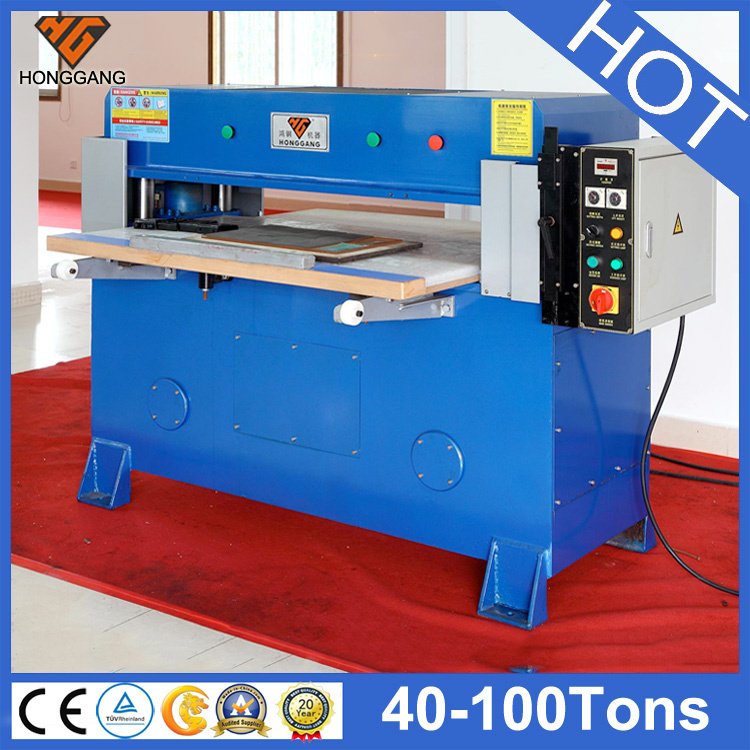
Recommended lowest-entry line configuration For the lowest entry, buy approved EVA foam sheets and launch one unisex slipper design in a limited size run. Include a 25-30 t swing-arm or travelling-head cutting press, nested steel-rule dies, strap-hole punch and fitting tools, small printer/embosser, edge grinder, gauges and footwear tests. Add EVA compounding and multi-daylight foaming presses only after stable sheet consumption.
Production process and implementation sequence
- Sheet and strap lot release
- Pattern nesting and hydraulic cutting
- Sole/upper preparation
- Printing or embossing
- Strap punching and plug fitting
- Optional lamination and edge grinding
- Pair matching and inspection
- Footwear performance release
Products, capacity and market fit
- Low-cost slippers have broad Afghan household demand.
- Purchased foam sheet keeps the first investment below a foam-sheet factory.
- One design with limited sizes controls dies, straps and stock.
- Density, compression, flex, strap pull and slip must be tested—not judged by appearance.
- Die-cut EVA household slipper - Size, sheet density/thickness, hardness, compression, flex, tear, strap pull, slip, colour and pair mass - Afghan footwear wholesalers and retailers
Core production machinery and line specifications
| Machine / stage | Function / value | Production note |
|---|---|---|
| Sheet table and nesting templates | Minimizes material waste | Limited size range |
| Hydraulic cutting press | Cuts soles and upper parts | 25-30 t |
| Steel-rule die set | Defines one design and sizes | 4-6 sizes |
| Punch and strap-fitting tools | Installs upper/plug system | Pull-force controlled |
| Printer/embosser and edge grinder | Finishes and brands slippers | Guarded tools |
| Footwear test fixtures | Tests flex, tear, pull and slip | Buyer protocol |
Raw materials, utilities and factory requirements
- Qualified EVA foam sheets by density, hardness and thickness
- Approved straps, plugs, adhesive or laminate where used
- Printing ink, release/cleaning consumables
- Bags, labels and cartons
- Stable three-phase electricity with verified connected load
- Guarded machinery, lockout, ventilation and fire protection
- Dry segregated raw-material and finished-goods storage
- Maintenance tools, safe lifting and critical spare parts
Indicative low-entry investment and implementation plan
These planning ranges prioritize economical machinery, local labor and local civil works. Final pricing follows confirmed capacity, product specification, delivery terms and site conditions.
| Scope | Indicative range | Entry-plan note |
|---|---|---|
| Cutting press, tables and dies | US$8k-20k | One design / 4-6 sizes |
| Punching, fitting, printing and grinding | US$5k-14k | Manual/semi-auto finishing |
| Laboratory and safety | US$4k-10k | Footwear tests |
| Freight, setup and spares | US$4k-10k | Sheet/product trials |
| Indicative installed low-entry total | US$21k-54k | Foam-sheet production, building and stock excluded |
Detailed proposal and next step
The proposal contains the complete line flow, machinery scope, raw-material and utility requirements, implementation stages and indicative entry planning. Final configuration follows confirmed products, capacity, site and budget.