
Production line and factory setup overview
A controlled mechanical saw-delinting line removing residual short lint from properly ginned cottonseed through seed receiving, moisture and foreign-material checks, metered feeding, one or more saw-delinter passes, air separation of linters and motes, seed cooling and protected storage. It produces saleable cotton linters and cleaner seed for oil processing or planting only after the relevant quality tests.
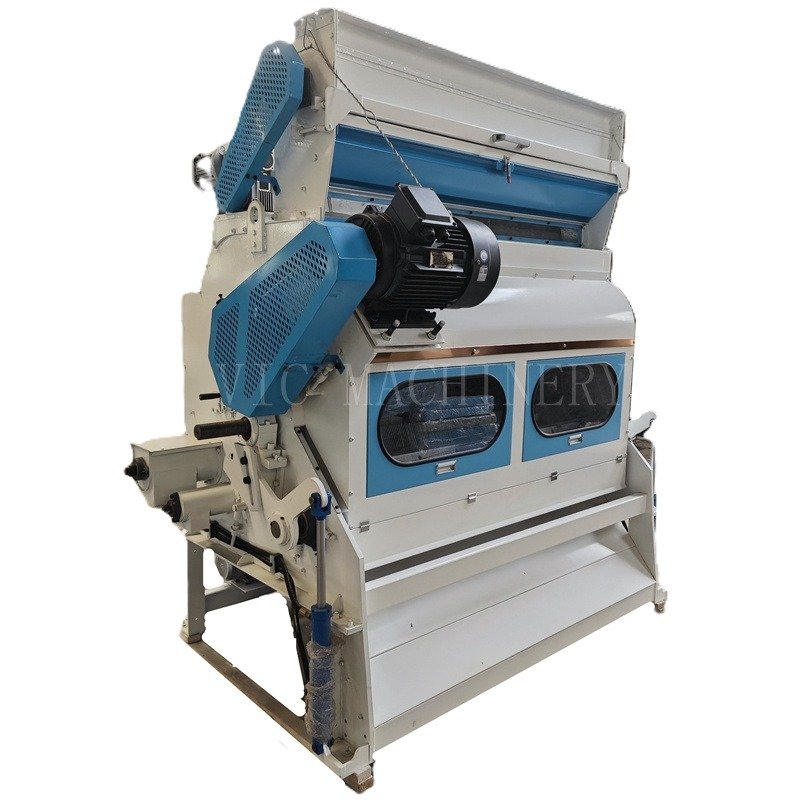
Recommended lowest-entry line configuration For a medium entry, trial one 1.0-1.5 t/h, approximately 47 kW saw delinter with metered seed feed, magnet, aspiration, linter condenser and separate seed discharge. Start with one cut; add a second cut only if linter buyers and oilseed tests justify lower residual lint without unacceptable kernel damage.
Production process and implementation sequence
- Cottonseed receiving and sampling
- Moisture, metal and foreign-matter check
- Metered seed feeding
- First saw-delinter pass
- Linter and mote air separation
- Linter condensation and baling
- Seed cooling and inspection
- Separate seed and linter storage
Products, capacity and market fit
- Cottonseed from local ginneries can yield an additional short-fibre product.
- Delinted seed can improve handling for oil-mill preparation when specifications are met.
- One machine offers a medium entry before a 100-500 t/day multi-cut complex.
- Separate linter and seed buyers are required before investment.
- Cotton linters - Buyer-agreed cut, cellulose quality, moisture, trash and contamination - Cellulose, paper or specialty industrial buyers
- Delinted cottonseed - Controlled residual lint, kernel damage, moisture and heating - Cottonseed oil processors or approved seed users
- Motes and rejects - Segregated and assessed before recovery - Approved recovery or disposal
Core production machinery and line specifications
| Machine / stage | Function / value | Production note |
|---|---|---|
| Seed receiving hopper and meter | Feeds a stable cottonseed rate | 1.0-1.5 t/h trial basis |
| Magnet and aspiration inlet | Removes metal and loose dust | Accessible inspection points |
| Saw delinter | Strips short residual lint from seed | About 200 saws; final model by trial |
| Linter air duct and condenser | Separates and collects short fibre | Balanced against saw chamber |
| Mote separator | Removes heavier rejects from linter stream | Adjustable air and screen settings |
| Seed cooler or aerated conveyor | Prevents hot seed storage | Discharge temperature limit |
| Small linter press | Compacts recovered linters | Buyer-agreed bale format |
| Sampling and test station | Checks seed and linter after each pass | Residual lint, damage and moisture |
Raw materials, utilities and factory requirements
- Properly ginned cottonseed by known lot and moisture
- Bale ties and wrap for cotton linters
- Replacement saws, spacers, brushes and bearings
- Cleaning, lubrication and fire-control consumables
- Stable three-phase electricity matched to the confirmed motor and starting loads
- High-volume dust extraction with fire-safe ducting, collection and housekeeping
- Dry covered raw-material and finished-product storage with lot separation
- Fire detection, suitable extinguishing equipment and controlled ignition sources
- Safe access, guarding, lifting aids and preventive-maintenance workspace
Indicative low-entry investment and implementation plan
These planning ranges prioritize economical machinery, local labor and local civil works. Final pricing follows confirmed capacity, product specification, delivery terms and site conditions.
| Scope | Indicative range | Entry-plan note |
|---|---|---|
| One saw delinter and metered feed | US$20k-28k | Supplier reference around US$20k-25k |
| Aspiration, condenser and seed handling | US$9k-24k | One-cut arrangement |
| Small linter press and test tools | US$6k-16k | Buyer-agreed bales |
| Electrical, fire safety and installation | US$7k-18k | Dust-intensive process |
| Freight, clearance and critical spares | US$8k-20k | Saws, brushes and bearings |
| Indicative low-entry total | US$50k-106k | Oil mill, building and seed stock excluded |
Detailed proposal and next step
The proposal contains the complete line flow, machinery scope, raw-material and utility requirements, implementation stages and indicative entry planning. Final configuration follows confirmed products, capacity, site and budget.