
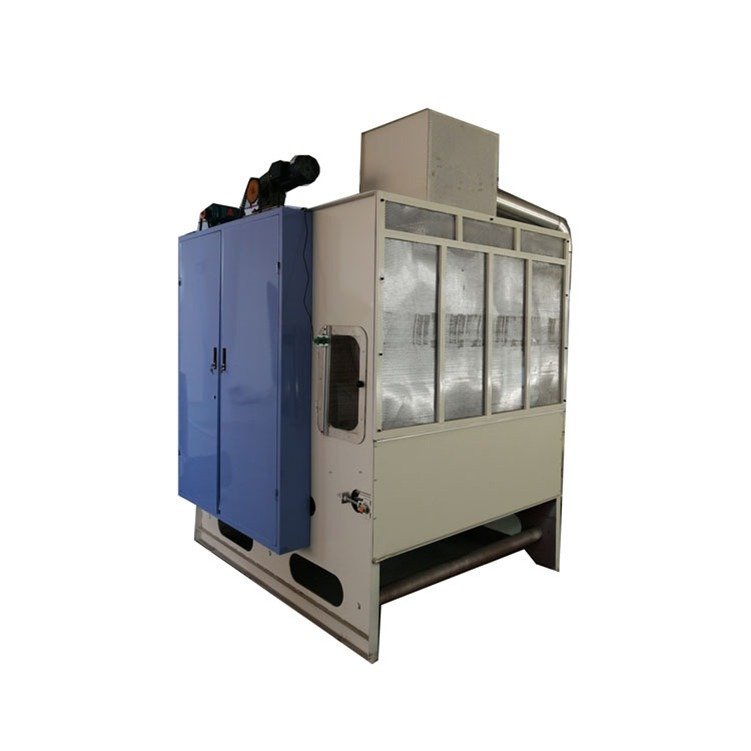
Production line and factory setup overview
This proposal presents a practical low-entry carpet weaving line for Afghanistan. Power looms, finishing and cutting solutions for machine-made and semi-handmade carpets. The starting configuration prioritizes economical Chinese machinery, local fabrication of noncritical items, affordable local labor, simple buildings and phased automation.
Recommended lowest-entry line configuration Start with one semi-automatic shift and the minimum core equipment needed for carpet weaving line; add automatic handling and higher-speed packing after demand is proven.
Production process and implementation sequence
- Material inspection
- Preparation
- Cutting or forming
- Assembly
- Finishing
- Quality check
- Packing
Products, capacity and market fit
- Local production can replace selected imported finished goods.
- Affordable land, labor and local fabrication reduce the entry threshold.
- A one-shift starting model limits working-capital pressure.
- Modular equipment allows capacity to grow with confirmed sales.
- Economy local-market product - Confirm with buyer and local market - Afghanistan and nearby regional buyers
- Standard retail product - Confirm with buyer and local market - Afghanistan and nearby regional buyers
- Institutional or contract product - Confirm with buyer and local market - Afghanistan and nearby regional buyers
- Custom branded product - Confirm with buyer and local market - Afghanistan and nearby regional buyers
Core production machinery and line specifications
| Machine / stage | Function / value | Production note |
|---|---|---|
| Material inspection table | Supports the carpet weaving line workflow | Sized to selected entry capacity |
| Spreading or preparation machine | Supports the carpet weaving line workflow | Sized to selected entry capacity |
| Cutting machine | Supports the carpet weaving line workflow | Sized to selected entry capacity |
| Primary production machines | Supports the carpet weaving line workflow | Sized to selected entry capacity |
| Edge or seam finishing machines | Supports the carpet weaving line workflow | Sized to selected entry capacity |
| Pressing or heat-setting unit | Supports the carpet weaving line workflow | Sized to selected entry capacity |
| Quality inspection station | Supports the carpet weaving line workflow | Sized to selected entry capacity |
| Needle or tool management | Supports the carpet weaving line workflow | Sized to selected entry capacity |
| Packing equipment | Supports the carpet weaving line workflow | Sized to selected entry capacity |
| Air compressor and workshop tools | Supports the carpet weaving line workflow | Sized to selected entry capacity |
Raw materials, utilities and factory requirements
- Main textile or yarn input
- Thread, backing and accessories
- Labels and trims
- Packaging bags and cartons
- Machine needles, blades and consumables
- Three-phase and single-phase power
- Bright production lighting
- Ventilation and dust control
- Compressed air where required
- Material racks and finished-goods storage
Indicative low-entry investment and implementation plan
These planning ranges prioritize economical machinery, local labor and local civil works. Final pricing follows confirmed capacity, product specification, delivery terms and site conditions.
| Scope | Indicative range | Entry-plan note |
|---|---|---|
| Entry machinery | US$25k-120k | Economy configuration using local labor where practical |
| Local workshop and utilities | US$10k-40k | Economy configuration using local labor where practical |
| Tools and quality equipment | US$5k-20k | Economy configuration using local labor where practical |
| Freight and training | US$8k-30k | Economy configuration using local labor where practical |
| Working capital | US$10k-40k | Economy configuration using local labor where practical |
| Low-entry project total | US$58k-250k | Economy configuration using local labor where practical |
Detailed proposal and next step
The proposal contains the complete line flow, machinery scope, raw-material and utility requirements, implementation stages and indicative entry planning. Final configuration follows confirmed products, capacity, site and budget.