
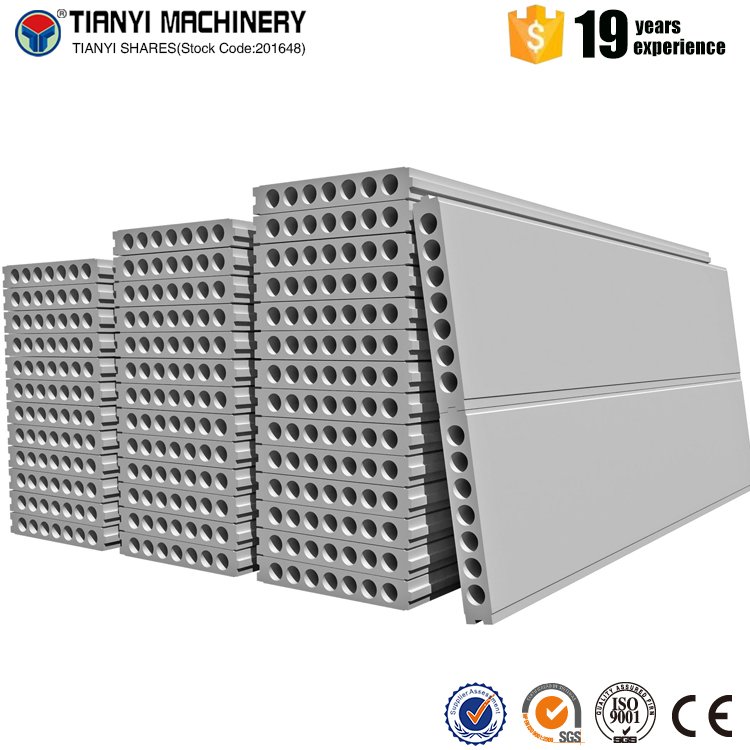
Production line and factory setup overview
A modular line for decorative and lightweight precast wall panels using local cement, sand and aggregates with reusable moulds.
Recommended lowest-entry line configuration Start with one mixer and batching set, a small family of high-demand moulds, vibration, manual reinforcement placement, controlled curing and simple handling.
1 mixerentry configuration
3-6 mouldsstarter pattern family
6-10entry crew
380 Vcommon supplier basis
Production process and implementation sequence
- Raw-material dosing
- Concrete mixing
- Mould preparation
- Reinforcement and insert placement
- Casting and vibration
- Controlled curing
- Demoulding
- Finishing, inspection and storage
Products, capacity and market fit
- Cement, sand and aggregates can be sourced locally in many Afghan markets.
- Reusable moulds create multiple decorative patterns without changing the full plant.
- Precast panels can reduce on-site masonry time for boundary walls and selected partitions.
- A mould-led launch limits capital until contractors confirm preferred sizes and finishes.
- Decorative boundary-wall panels - Pattern, thickness and span by structural design - Homes, compounds and commercial sites
- Lightweight partition panels - Approved core and density system - Warehouses, offices and housing
- Matching posts and caps - Moulded to panel connection design - Complete wall packages
Core production machinery and line specifications
| Machine / stage | Function / value | Production note |
|---|---|---|
| Aggregate bins and weigh batching | Controls cement, sand, aggregate and water dosage | Manual scale or compact weigh system |
| Pan or forced-action mixer | Produces uniform panel concrete | Match batch size to mould cycle |
| Decorative panel moulds | Forms panel size, face texture and edge profile | Begin with a small buyer-approved pattern family |
| Reinforcement/insert station | Positions mesh, bars, lifting and connection inserts | Per structural drawings |
| Vibration or compaction system | Consolidates concrete and reduces voids | Frequency and duration by mix trials |
| Curing area or chamber | Controls moisture and temperature for strength development | Low-cost covered moist curing at entry scale |
| Demoulding and lifting equipment | Removes panels without damage | Rated lifting beam, clamps and hoist |
| Finishing and test equipment | Repairs edges and checks dimensions/strength | Include scales, gauges and test-cube moulds |
Raw materials, utilities and factory requirements
- Local cement of verified consistency
- Washed graded sand and approved aggregate
- Reinforcement mesh or bars
- Water and approved admixtures
- Release agent, pigments and surface-finish materials
- Optional lightweight core materials only after testing
- Three-phase electricity
- Reliable process and curing water
- Covered casting and curing area
- Level mould beds and drainage
Indicative low-entry investment and implementation plan
These planning ranges prioritize economical machinery, local labor and local civil works. Final pricing follows confirmed capacity, product specification, delivery terms and site conditions.
| Scope | Indicative range | Entry-plan note |
|---|---|---|
| Mixer, batching and vibration equipment | US$8k-20k | Compact or semi-automatic entry scope |
| Starter moulds and reinforcement fixtures | US$5k-15k | Limit to high-demand designs |
| Curing, lifting and finishing tools | US$4k-10k | Use local fabrication where structurally safe |
| Electrical, civil interfaces and installation | US$3k-8k | Local labor and simple covered workshop |
| Freight, clearance, tests and spares | US$4k-10k | Depends on mould weight and shipping volume |
| Indicative low-entry total | US$24k-63k | Land, building and delivery vehicles excluded |
Detailed proposal and next step
The proposal contains the complete line flow, machinery scope, raw-material and utility requirements, implementation stages and indicative entry planning. Final configuration follows confirmed products, capacity, site and budget.