Production line and factory setup overview
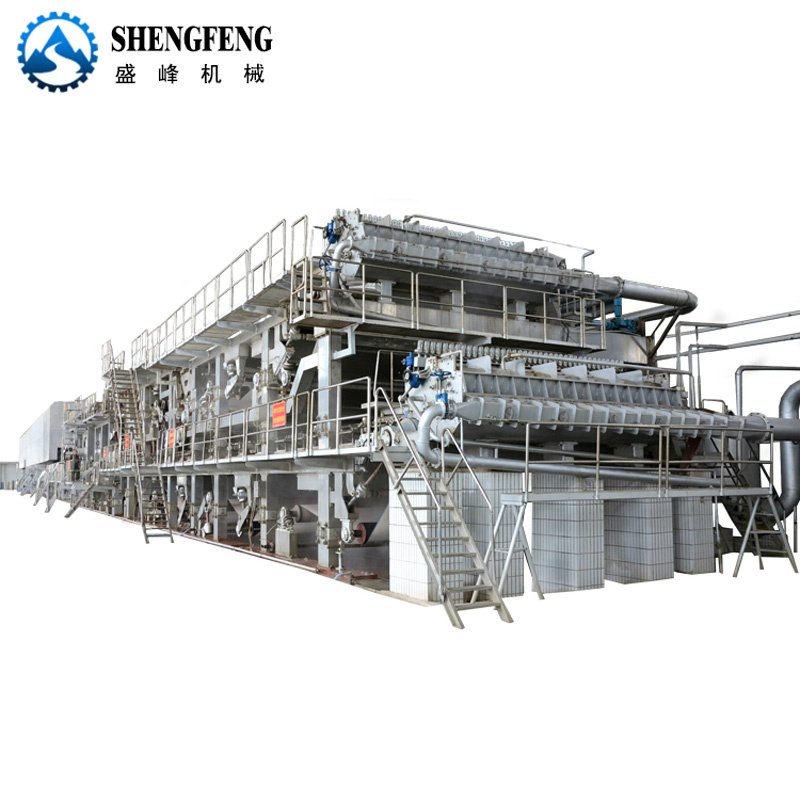
A strategic paper mill converting sorted local wastepaper into defined recycled kraft or testliner paper through bale opening, sorting, pulping, screening, cleaning, refining, stock preparation, approach flow, paper machine, pressing, drying, winding, slitting and laboratory release. It is not a small carton-recycling workshop.
Recommended lowest-entry line configuration Start only after a wastepaper collection study proves volume, contamination limits and seasonal availability. Screen one basis-weight grade with conservative daily output; validate water treatment, steam, power, paper-machine maintenance, effluent/fibre recovery and contracted board buyers.
Production process and implementation sequence
- Bale receipt, sorting and contaminant removal
- Hydrapulping and coarse screening
- Fine cleaning, refining and stock preparation
- Approach flow and headbox distribution
- Forming, pressing and steam drying
- Winding, slitting, testing and dispatch
Products, capacity and market fit
- Local wastepaper can become packaging feedstock when collection and contamination control are bankable.
- Fibre quality, water loops and machine uptime determine saleable paper.
- A mill needs a verified wastepaper supply chain and board-buyer off-take before finance.
- Recycled kraft/testliner paper - Basis weight, burst, ring crush, moisture, Cobb, tensile, shade and roll dimensions - Afghan corrugated-board factories, carton converters and packaging buyers
Core production machinery and line specifications
| Machine / stage | Function / value | Production note |
|---|---|---|
| Bale handling, pulper and screening train | Recovers usable fibre from wastepaper | Defined contamination limit |
| Cleaner, refiner and stock-preparation system | Builds stable paper furnish | One paper grade |
| Paper machine, press and dryer section | Forms and dries paper web | 30-80 t/day screen |
| Winder, slitter, lab and water treatment | Releases saleable rolls and recovers water | Board-buyer acceptance |
Raw materials, utilities and factory requirements
- Sorted wastepaper with agreed moisture and contamination limits
- Process chemicals, felt/wire consumables, cores, wrapping and pallets
- Stable three-phase electricity with verified connected load
- Guarded machinery, lockout, ventilation and fire protection
- Covered segregated raw-material and finished-goods storage
- Maintenance tools, safe lifting and critical spare parts
- Steam boiler, treated process water, vacuum, compressed air and high-capacity effluent/fibre-recovery system
- Bale dust control, fire protection, sludge handling and segregated warehouse
Indicative low-entry investment and implementation plan
These planning ranges prioritize economical machinery, local labor and local civil works. Final pricing follows confirmed capacity, product specification, delivery terms and site conditions.
| Scope | Indicative range | Entry-plan note |
|---|---|---|
| Bale preparation, pulping and screening | US$1m-3m | Fibre recovery scope |
| Paper machine, drying and winding | US$3m-9m | One grade/30-80 t/day |
| Water treatment, utilities, civil and commissioning | US$2m-6m | Environmental core |
| Indicative strategic project total | US$6m-18m | Land, collection fleet and working capital excluded |
Detailed proposal and next step
The proposal contains the complete line flow, machinery scope, raw-material and utility requirements, implementation stages and indicative entry planning. Final configuration follows confirmed products, capacity, site and budget.