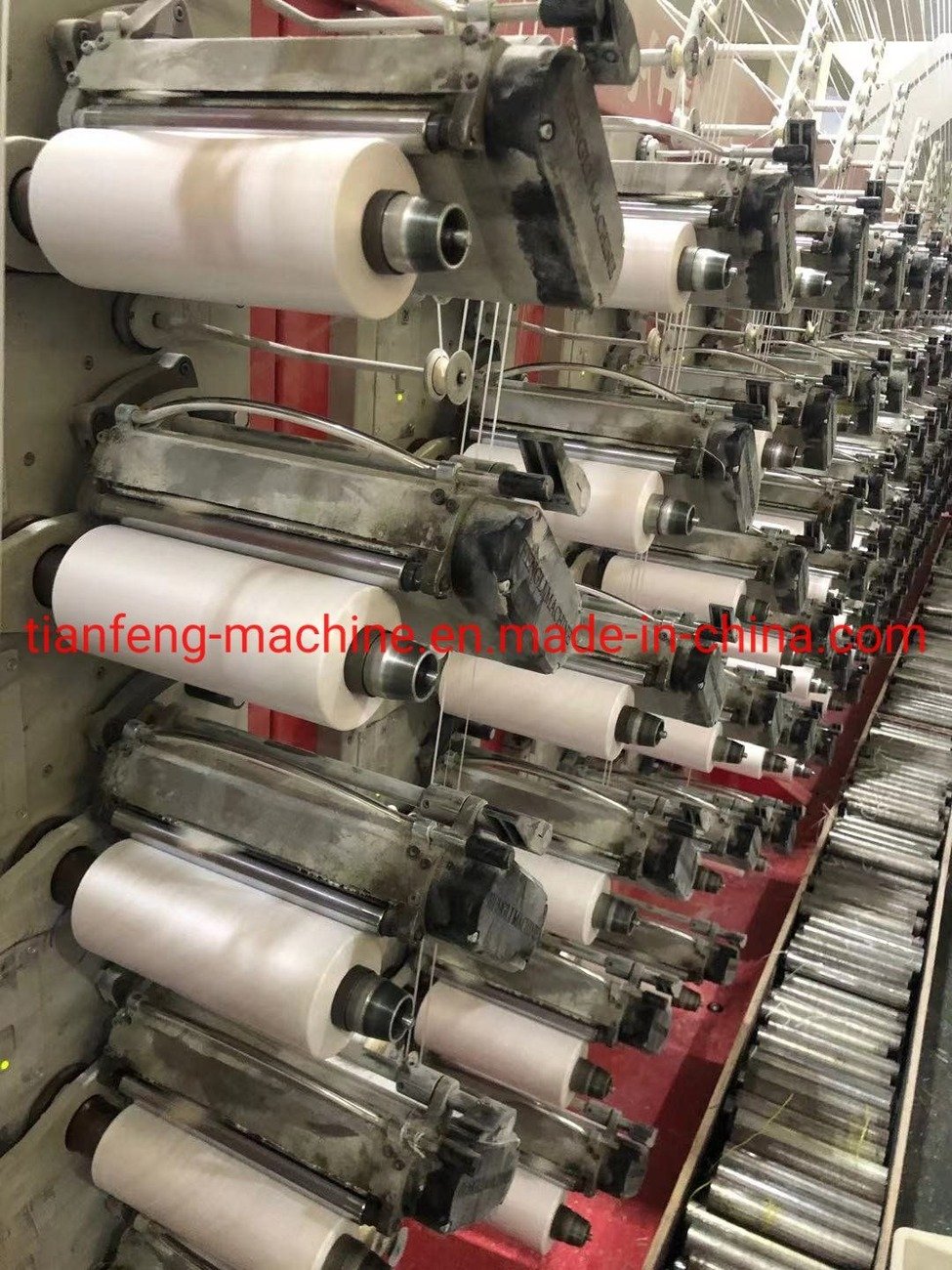
Production line and factory setup overview
A medium industrial plastics-and-weaving plant converting polypropylene resin into woven sack fabric and finished open-mouth bags through resin blending and drying where required, tape extrusion, quenching, slitting, orientation drawing and winding, circular weaving, roll inspection, optional extrusion coating or lamination, corona treatment and flexographic printing, cutting, bottom sewing, optional liner insertion, inspection, baling and traceable dispatch. Food and fertiliser sacks require separate material controls.
Recommended lowest-entry line configuration Do not treat a circular loom as a complete plant. Screen one 100-150 kg/h flat-tape extrusion line, four 4- or 6-shuttle looms, roll inspection, one- or two-colour printer and automatic hot-cut/sewing machine for one sack size. Add coating or liner insertion only for confirmed moisture-barrier needs. Food-flour production requires virgin food-contact resin, migration documents and segregation from fertiliser work.
Production process and implementation sequence
- PP resin receiving, blending and release
- Flat-tape extrusion, quench and slit
- Tape drawing, heat setting and winding
- Circular weaving and roll inspection
- Optional coating/lamination and corona treatment
- Flexographic printing and curing
- Length cutting, bottom sewing and liner insertion
- Seam, load, drop, bundle and traceability release
Products, capacity and market fit
- Flour, fertiliser, feed, grain and mineral users consume durable woven sacks.
- Four looms create a manageable starter balance with one modest tape line.
- One bag size and fabric gsm simplify tape denier, loom and cutting settings.
- Food-contact and chemical/fertiliser production must not share uncontrolled recycled materials.
- PP woven fertiliser sack - Approved resin/recycle policy, fabric gsm, coating, print, seam, UV and drop rating - Fertiliser, mineral and agricultural-input packers
- Food-contact flour sack - Virgin compliant resin, controlled liner, migration, hygiene and separate production release - Flour mills after food-safety qualification
Core production machinery and line specifications
| Machine / stage | Function / value | Production note |
|---|---|---|
| Resin blender and flat-tape extruder | Produces oriented PP tapes | 100-150 kg/h entry |
| Tape quench, slit, draw and wind section | Controls tape dimensions and tenacity | Recipe-specific draw ratio |
| Four circular looms | Weaves tubular sack fabric | 4- or 6-shuttle |
| Roll inspection and optional coater | Checks fabric and adds barrier | Coating only if required |
| Corona and flexo printer | Prepares and prints sack surface | One/two colours |
| Automatic cutter and sewing machine | Forms finished open-mouth sacks | One launch length |
| Polymer and sack laboratory | Tests tape, fabric and bag performance | Food/chemical separation |
Raw materials, utilities and factory requirements
- Qualified PP resin and tightly controlled masterbatch
- Approved recycle fraction only for non-food products
- Coating resin or food liner where validated
- Ink, sewing thread, cores, bales, labels and spares
- High stable three-phase power and cooling-water system
- Compressed air and controlled extrusion ventilation
- Long weaving hall with humidity and housekeeping controls
- Resin, tape, fabric and finished-bag segregation
- Fire protection and polymer scrap-reprocessing route
Indicative low-entry investment and implementation plan
These planning ranges prioritize economical machinery, local labor and local civil works. Final pricing follows confirmed capacity, product specification, delivery terms and site conditions.
| Scope | Indicative range | Entry-plan note |
|---|---|---|
| Flat-tape extrusion and winding line | US$125k-290k | 100-150 kg/h basis |
| Four circular looms and fabric handling | US$80k-210k | Balanced starter weaving |
| Printing, cutting/sewing and laboratory | US$55k-145k | One sack design |
| Cooling, freight, installation and spares | US$75k-205k | Power intensive plant |
| Indicative installed project total | US$335k-850k | Coater, building and resin stock excluded |
Detailed proposal and next step
The proposal contains the complete line flow, machinery scope, raw-material and utility requirements, implementation stages and indicative entry planning. Final configuration follows confirmed products, capacity, site and budget.