
Production line and factory setup overview
A decentralized raw-milk collection point for Afghan cow or goat milk, covering supplier identification, can receiving, rapid platform tests, weighing, filtration, chilling to the buyer-defined temperature, gentle agitated storage, sampling, insulated dispatch and cleaning. It preserves milk for delivery; it does not make unsafe milk safe.
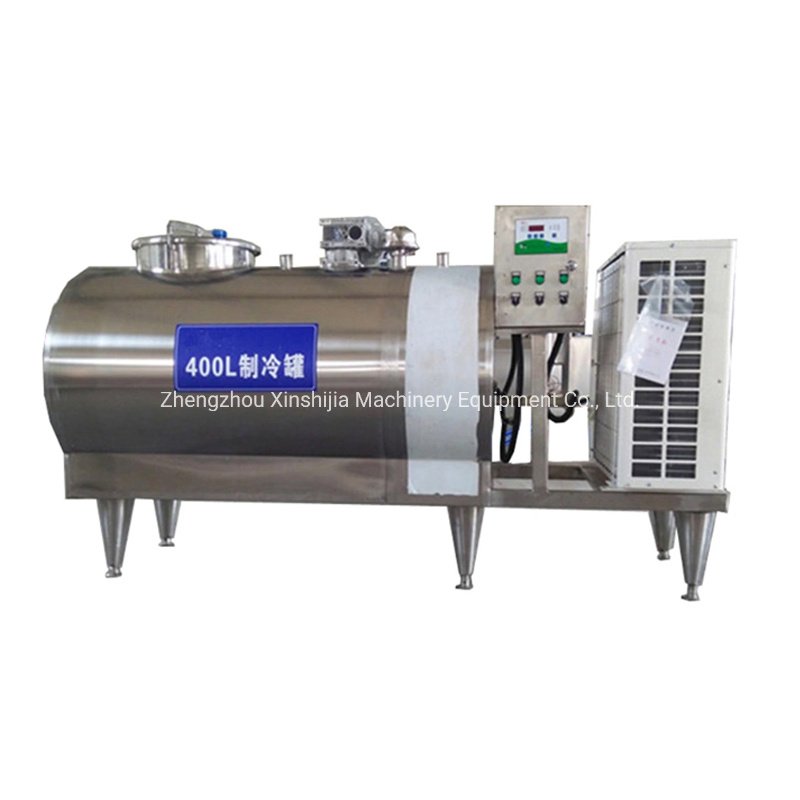
Recommended lowest-entry line configuration For the lowest credible entry, use calibrated can scales, rapid milk-test kit, inline strainer, one 300-500 L direct-expansion cooling tank with agitator and temperature recorder, insulated cans and a backup-power plan. Begin with one daily collection route and same-day dispatch.
Production process and implementation sequence
- Registered supplier and can receiving
- Sensory and rapid platform tests
- Accepted milk weighing and record entry
- Inline filtration
- Immediate chilling with gentle agitation
- Temperature-controlled holding
- Representative sampling and sealed records
- Insulated dispatch and full cleaning cycle
Products, capacity and market fit
- Rapid chilling can reduce spoilage between villages and dairy plants.
- Transparent weighing and testing improve farmer confidence.
- One collection point can aggregate cow or goat milk in separate lots.
- The model supports later pasteurized milk, yogurt and cheese production.
- Chilled raw cow milk - Accepted platform tests, traceable supplier lot and buyer-defined dispatch temperature - Licensed dairy processors
- Chilled raw goat milk - Separately collected and identified with no cow-milk mixing - Specialty dairy processors
Core production machinery and line specifications
| Machine / stage | Function / value | Production note |
|---|---|---|
| Can receiving platform and scales | Identifies supplier and records accepted mass | Calibrated legal-for-trade scale |
| Rapid milk-test bench | Screens temperature, acidity, density and adulteration indicators | Buyer-approved tests and records |
| Inline milk strainer | Removes visible physical matter | Single-use or validated cleanable media |
| Direct-expansion cooling tank | Rapidly chills and stores accepted milk | 300-500 L with insulation |
| Gentle agitator | Keeps milk uniform without foaming | Timed or low-speed operation |
| Temperature recorder and alarm | Documents cooling and holding | Calibrated probe and backup log |
| Insulated milk cans | Transfers small lots hygienically | Separate cow/goat identification |
| Cleaning station and backup power | Supports sanitation and cooling continuity | Generator or other verified backup |
Raw materials, utilities and factory requirements
- Accepted raw cow or goat milk from registered suppliers
- Potable hot and cold cleaning water
- Approved dairy detergents and test reagents
- Food-grade filters, sample bottles and seals
- Stable electricity matched to motors, controls and refrigeration
- Potable process water where product contact or cleaning occurs
- Washable food-grade rooms with drainage and pest control
- Segregated raw-material, packaging and finished-goods storage
- Steam, fuel, chilled water or compressed air only where specified
Indicative low-entry investment and implementation plan
These planning ranges prioritize economical machinery, local labor and local civil works. Final pricing follows confirmed capacity, product specification, delivery terms and site conditions.
| Scope | Indicative range | Entry-plan note |
|---|---|---|
| Receiving scales and test bench | US$2k-5k | One route and buyer test plan |
| 300-500 L cooling tank | US$5k-12k | Direct expansion with recorder |
| Cans, filtration and cleaning | US$2k-5k | Small collection point |
| Backup power and dispatch tools | US$3k-8k | Cooling continuity |
| Freight, installation and spares | US$3k-7k | Refrigeration commissioning |
| Indicative low-entry total | US$15k-37k | Building, vehicle and milk payments excluded |
Detailed proposal and next step
The proposal contains the complete line flow, machinery scope, raw-material and utility requirements, implementation stages and indicative entry planning. Final configuration follows confirmed products, capacity, site and budget.