
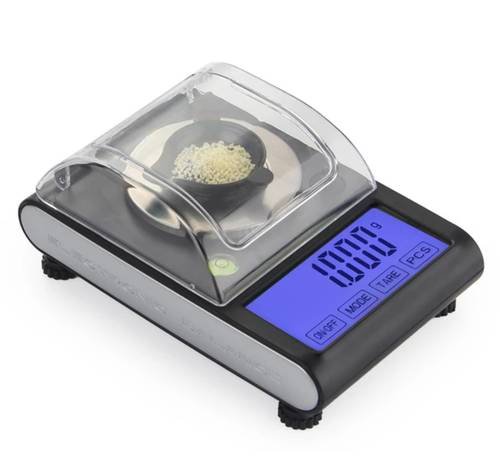
Production line and factory setup overview
A precision packing cell for released saffron grades, using protected micro-weighing, manual or assisted dosing, container inspection, sealing, tamper evidence, coding and check-weighing. The line is designed for very small declared net weights where drafts, static and thread bridging can cause serious giveaway.
Recommended lowest-entry line configuration For the lowest credible entry, use two draft-shield 0.001 g balances, anti-static hand tools, a validated manual dosing bench, jar or sachet sealer, label coder and independent check-weigh station for two or three launch weights.
Production process and implementation sequence
- Released-grade receiving and reconciliation
- Empty-container and packaging inspection
- Protected precision weighing
- Manual or assisted dosing
- Thread placement and visual check
- Primary sealing and tamper evidence
- Coding, label verification and check-weighing
- Count reconciliation and secure finished storage
Products, capacity and market fit
- Small packs multiply the retail value of verified Afghan saffron.
- Precision control reduces costly product giveaway.
- Tamper evidence and lot coding support buyer confidence.
- A manual-assist cell can start below the cost of fragile full automation.
- Retail saffron jars - Declared net weight, sealed inner barrier and tamper evidence - Retail, gift and hospitality buyers
- Barrier saffron sachets - Light- and moisture-protected small dose with lot code - Retail, food-service and export buyers
Core production machinery and line specifications
| Machine / stage | Function / value | Production note |
|---|---|---|
| Draft-shield precision balances | Measures sale doses without air-current error | 0.001 g readability and legal verification |
| Anti-static dosing bench | Supports controlled manual placement | Dark food-grade surface and protected tools |
| Low-dose assisted weigher | Pre-portions suitable thread grades | Only after product trials |
| Container inspection station | Checks jars, lids, sachets and labels | Two or three launch formats |
| Jar induction or band sealer | Applies inner barrier and tamper evidence | Matched to selected closure |
| Sachet heat sealer | Seals high-barrier pouches | Validated temperature, time and pressure |
| Coder and label applicator | Applies lot, date and declared grade | Readable permanent code |
| Independent check-weigh station | Releases packs and records control results | Separate calibrated balance |
Raw materials, utilities and factory requirements
- Released and traceable Afghan saffron grades
- Food-grade jars, lids and induction liners
- High-barrier sachets and tamper bands
- Approved labels, cartons and security seals
- Stable three-phase electricity
- Clean compressed air where specified
- Potable process water where required
- Washable food-grade processing room with dust control
- Dry segregated raw-material and finished-goods storage
Indicative low-entry investment and implementation plan
These planning ranges prioritize economical machinery, local labor and local civil works. Final pricing follows confirmed capacity, product specification, delivery terms and site conditions.
| Scope | Indicative range | Entry-plan note |
|---|---|---|
| Precision weighing and dosing benches | US$2k-6k | Two protected weighing stations |
| Jar and sachet sealing | US$2k-7k | Two or three launch formats |
| Coding, labeling and check weighing | US$2k-5k | Independent release control |
| Quality, security and handling tools | US$1k-3k | Calibration and reconciliation |
| Freight, installation and spares | US$2k-5k | Compact packing-cell shipment |
| Indicative low-entry total | US$9k-26k | Building, packaging stock and saffron working capital excluded |
Detailed proposal and next step
The proposal contains the complete line flow, machinery scope, raw-material and utility requirements, implementation stages and indicative entry planning. Final configuration follows confirmed products, capacity, site and budget.