
Production line and factory setup overview
A small preparation, soaking or cooking, drying, roasting, seasoning, cooling and packing line for crunchy maize-kernel snacks.
Recommended lowest-entry line configuration Start with an 80-150 kg/h batch system comprising soaking tanks, an optional cooker, a cabinet dryer, drum roaster, seasoning tumbler, cooling table and semi-automatic packing.
Production process and implementation sequence
- Maize selection, cleaning and sizing
- Soaking and optional alkaline or recipe treatment
- Optional pressure or atmospheric cooking
- Drainage and controlled drying
- Drum roasting
- Oil and dry-seasoning application
- Cooling and metal inspection
- Weighing, sealing and lot coding
Products, capacity and market fit
- Afghan maize can support a locally branded shelf-stable snack
- Batch equipment permits several flavors without high automation
- Small retail packs suit shops, schools and travel markets
- The same roaster and seasoning section may handle approved nuts and seeds after allergen assessment
- Salted roasted corn nuts - Crunchy texture, controlled salt and final moisture - Retail snack and food-service channels
- Spiced corn nuts - Validated local spice recipe and uniform coating - Convenience shops and regional distributors
- Bulk roasted maize snack - Buyer-defined seasoning and pack size - Repackers and institutional buyers
Core production machinery and line specifications
| Machine / stage | Function / value | Production note |
|---|---|---|
| Cleaner and size grader | Removes foreign matter and selects uniform kernels | Reject cracked, moldy and undersize maize |
| Food-grade soaking tanks | Hydrates kernels to the validated recipe | Drainable stainless or approved food-grade vessels |
| Batch cooker | Softens kernels where the recipe requires cooking | Optional atmospheric or pressure design |
| Cabinet or small tunnel dryer | Reduces moisture uniformly before roasting | Controlled air temperature and exhaust |
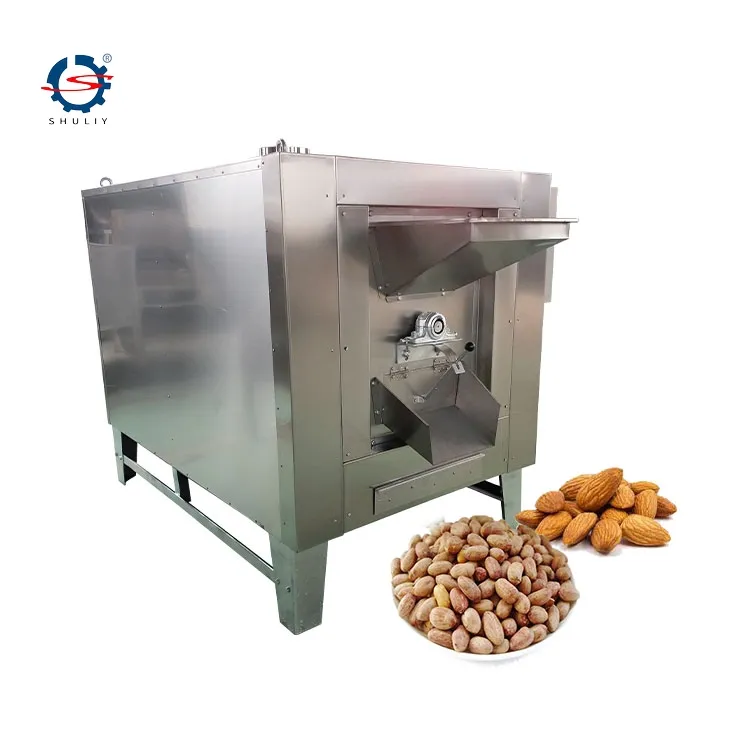
| Drum roaster | Develops crunch, color and roasted flavor | 80-150 kg/h planning output with adjustable heat |
| Seasoning tumbler and dosing | Applies measured oil, salt and spices | Cleanable food-contact stainless parts |
| Cooling table or belt | Stops roasting and prevents condensation | Pack only below validated product temperature |
| Metal detector and packer | Checks and seals moisture-barrier packs | Semi-automatic launch scope with coder |
Raw materials, utilities and factory requirements
- Food-grade large-kernel maize approved by product trials
- Potable water and recipe-approved treatment ingredients
- Food-grade oil, salt, spices and seasonings
- High-barrier snack film or pouches
- Labels and coding consumables
- Stable electricity for dryers, motors and packing
- Selected roasting heat source with safe exhaust
- Potable process and sanitation water
- Drainage and washable food-production surfaces
- Dry ingredient, packaging and finished-product storage
Indicative low-entry investment and implementation plan
These planning ranges prioritize economical machinery, local labor and local civil works. Final pricing follows confirmed capacity, product specification, delivery terms and site conditions.
| Scope | Indicative range | Entry-plan note |
|---|---|---|
| Cleaning, soaking and batch cooking | US$3k-8k | Simple food-grade preparation section |
| Controlled dryer and drum roaster | US$8k-20k | Batch equipment for lowest entry |
| Seasoning, cooling and semi-automatic packing | US$5k-14k | Launch with limited flavors and pack sizes |
| Electrical, exhaust, installation and spares | US$3k-8k | Local noncritical tables where hygienic |
| Freight and clearance | US$4k-9k | Confirm dryer and roaster shipping volume |
| Indicative low-entry total | US$23k-59k | Building, raw materials and laboratory shelf-life tests excluded |
Detailed proposal and next step
The proposal contains the complete line flow, machinery scope, raw-material and utility requirements, implementation stages and indicative entry planning. Final configuration follows confirmed products, capacity, site and budget.