
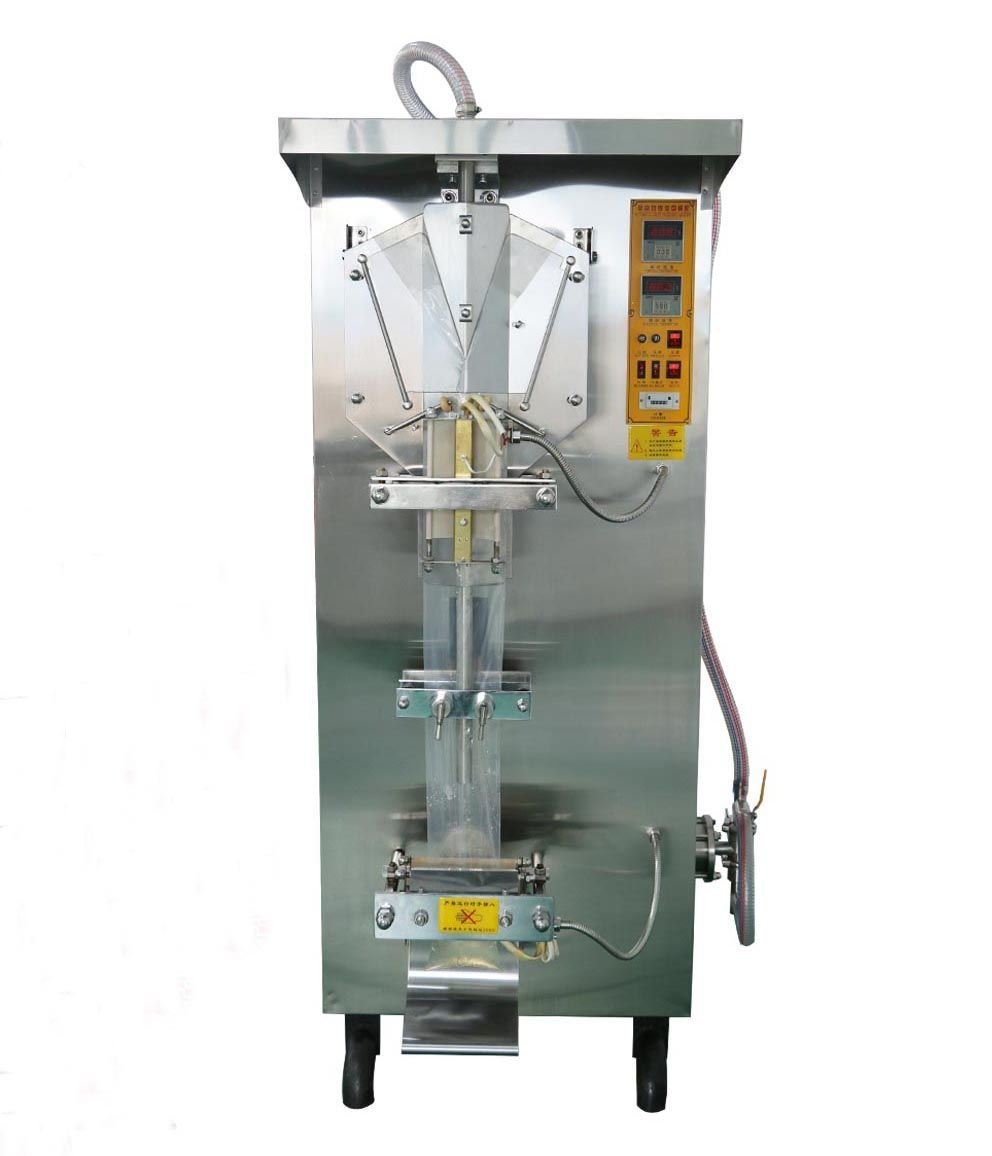
Production line and factory setup overview
A refrigerated dairy line for receiving tested chilled milk, filtration, balance storage, optional standardization and homogenization, validated pasteurization, immediate cooling, hygienic pouch forming/filling/sealing, coding, crate packing and cold distribution. Pasteurized pouch milk remains a short-shelf-life cold-chain product.
Recommended lowest-entry line configuration For the lowest credible entry, use 200-500 L/batch chilled receiving and pasteurization tanks with recorded time/temperature, small homogenizer only if product trials require it, 1,800-2,100 pouch/h filler, basic two-tank CIP and walk-in cold room. Launch one pouch size on a same-day local route.
Production process and implementation sequence
- Chilled milk receiving and release tests
- Filtration and balance storage
- Optional standardization/homogenization
- Validated batch pasteurization
- Immediate cooling and protected holding
- Pouch-film forming and milk filling
- Heat sealing, coding and leak checks
- Crate packing, cold storage and refrigerated dispatch
Products, capacity and market fit
- Afghan milk can supply affordable daily pasteurized pouch milk.
- Flexible pouches lower package cost but require careful seals and cold handling.
- A small batch line can serve one city district or institutional route.
- Collection and chilling links village producers to a formal dairy market.
- Whole pasteurized pouch milk - Declared fat, validated heat treatment, sealed pouch and maintained cold chain - Daily retail, schools, institutions and food service
- Standardized pasteurized pouch milk - Declared composition, fill volume, microbiology and short refrigerated shelf life - Price-sensitive urban retail routes
Core production machinery and line specifications
| Machine / stage | Function / value | Production note |
|---|---|---|
| Chilled receiving and balance tanks | Receives only tested milk and buffers batches | 200-500 L insulated entry |
| Milk filter and sanitary pump | Transfers milk through a closed clean path | Dairy sanitary fittings |
| Batch pasteurizer | Applies validated heat treatment | Recorded time and temperature |
| Optional homogenizer | Improves emulsion stability when specified | Selected after product trial |
| Cooling and pasteurized holding tank | Rapidly cools and protects treated milk | Closed agitated tank |
| Pouch forming/filling/sealing machine | Forms, fills and heat-seals milk pouches | 1,800-2,100 pouches/h supplier range |
| Two-tank CIP set | Cleans tanks, pipes and filler circuits | Validated detergent cycle |
| Cold room and dispatch crates | Maintains product through local delivery | 2-6°C target route |
Raw materials, utilities and factory requirements
- Released chilled Afghan cow or goat milk by separate product
- Food-contact milk pouch film with supplier declaration
- Approved dairy detergents and test reagents
- Crates, labels and coding consumables
- Stable electricity matched to motors, controls and refrigeration
- Potable process water where product contact or cleaning occurs
- Washable food-grade rooms with drainage and pest control
- Segregated raw-material, packaging and finished-goods storage
- Steam, fuel, chilled water or compressed air only where specified
Indicative low-entry investment and implementation plan
These planning ranges prioritize economical machinery, local labor and local civil works. Final pricing follows confirmed capacity, product specification, delivery terms and site conditions.
| Scope | Indicative range | Entry-plan note |
|---|---|---|
| Receiving and batch pasteurization tanks | US$8k-20k | 200-500 L/batch |
| Cooling, pumps and protected holding | US$5k-13k | Closed dairy path |
| Pouch filler and coder | US$5k-14k | One launch pouch size |
| CIP, tests and cold room | US$7k-18k | Short refrigerated shelf life |
| Freight, installation and spares | US$6k-14k | Refrigeration and sanitary commissioning |
| Indicative low-entry total | US$31k-79k | Building, vehicle, milk and packaging stock excluded |
Detailed proposal and next step
The proposal contains the complete line flow, machinery scope, raw-material and utility requirements, implementation stages and indicative entry planning. Final configuration follows confirmed products, capacity, site and budget.