Production line and factory setup overview
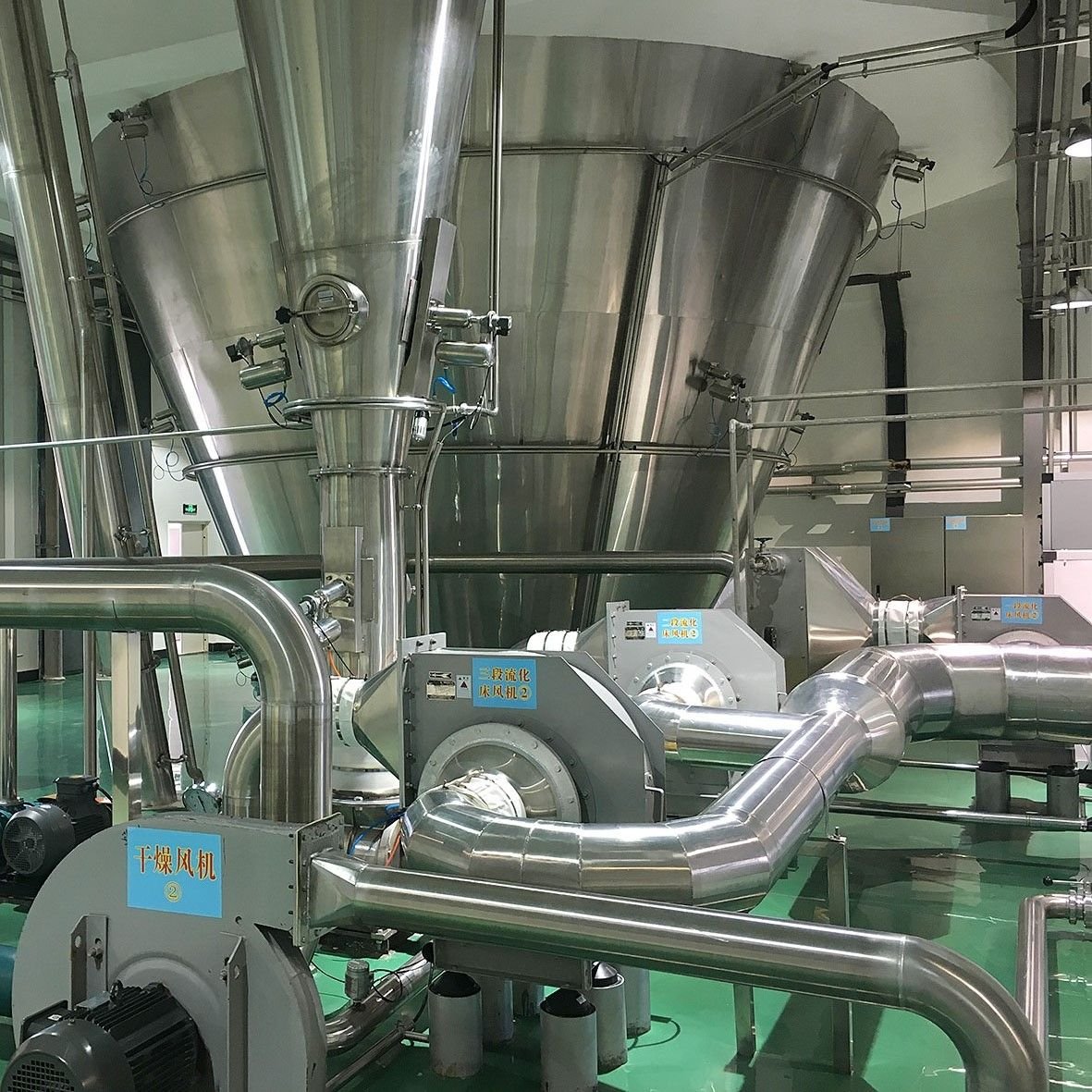
A strategic dairy plant converting tested liquid milk into a defined whole-milk or skim-milk powder grade through chilled reception, standardisation, separation where required, pasteurisation, evaporation, spray drying, fluid-bed cooling, sieving, nitrogen-controlled packing and laboratory release. It is not a simple milk bottling line.
Recommended lowest-entry line configuration Screen one 20-50 t/day liquid-milk intake and one powder grade only. Secure year-round tested milk collection, chilling, boiler/steam, water, CIP, laboratory, fire protection, hygienic packing and a licensed dairy technical partner before equipment purchase.
Production process and implementation sequence
- Chilled milk reception and sampling
- Clarification, standardisation and pasteurisation
- Vacuum evaporation and concentrate control
- Spray drying and powder recovery
- Fluid-bed cooling, sieving and metal detection
- Nitrogen packing, warehousing and laboratory release
Products, capacity and market fit
- Milk quality and collection discipline decide powder yield and safety.
- Spray drying needs continuous steam, power, clean air and strict CIP.
- A single grade lowers blending, laboratory and market complexity.
- Seasonality requires validated raw-milk and off-take contracts.
- Whole or skim milk powder - Moisture, fat, protein, solubility, microbiology, foreign matter and bag mass - Qualified Afghan dairy, bakery, beverage and retail buyers
Core production machinery and line specifications
| Machine / stage | Function / value | Production note |
|---|---|---|
| Chilled reception, separation and pasteurisation | Stabilises safe liquid milk | Validated dairy hygiene system |
| Evaporator and spray dryer | Concentrates and dries milk solids | Specified powder grade |
| Fluid bed, sieve and packing | Cools and protects powder | Hygienic low-moisture zone |
| CIP, laboratory and cold-chain utilities | Maintains safety and traceability | Dairy acceptance testing |
Raw materials, utilities and factory requirements
- Tested raw milk with defined fat, protein, antibiotics and microbiology limits
- Food-grade bags, nitrogen and approved cleaning chemicals
- Stable three-phase electricity with verified connected load
- Guarded machinery, lockout, ventilation and fire protection
- Covered segregated raw-material and finished-goods storage
- Maintenance tools, safe lifting and critical spare parts
- Reliable steam boiler, treated water, chilled reception and oil-free compressed air
- CIP recovery, powder dust control, hygienic dry room and wastewater treatment
Indicative low-entry investment and implementation plan
These planning ranges prioritize economical machinery, local labor and local civil works. Final pricing follows confirmed capacity, product specification, delivery terms and site conditions.
| Scope | Indicative range | Entry-plan note |
|---|---|---|
| Reception, pasteurisation and evaporation | US$1.5m-4m | 20-50 t/day intake |
| Spray drying, cooling and powder packing | US$3m-8m | Food-grade dry system |
| Utilities, CIP, laboratory and installation | US$2m-5m | Steam and hygiene intensive |
| Indicative strategic project total | US$6.5m-17m | Land, milk working capital and collection fleet excluded |
Detailed proposal and next step
The proposal contains the complete line flow, machinery scope, raw-material and utility requirements, implementation stages and indicative entry planning. Final configuration follows confirmed products, capacity, site and budget.