
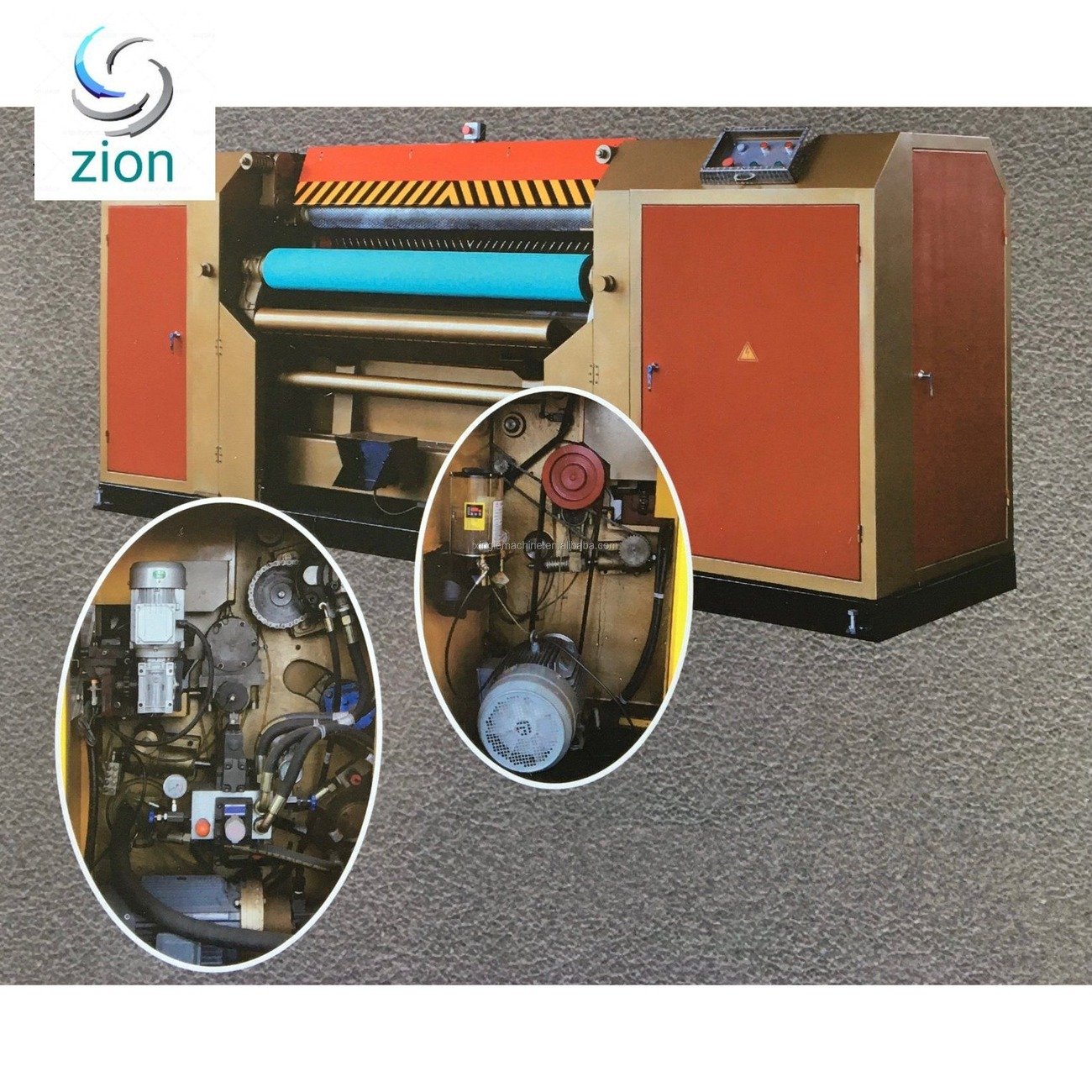
Production line and factory setup overview
A micro/workshop line preserving fresh Afghan sheep, goat or cattle hides before tannery sale through rapid receiving, species and defect grading, trimming, hygienic fleshing, accurate hide weighing, clean curing-salt dosing, open-table salt application or brine curing only where the buyer accepts it, drained stacking, re-salting inspection, folding, bale pressing and cool ventilated storage. It preserves raw hide; it is not a tanning line.
Recommended lowest-entry line configuration For the lowest entry, start with sheep and goat hides from one slaughter network, stainless receiving/fleshing tables, safe hand fleshing tools or a compact 1,500 mm flesher only after volume is proven, platform scales, salt dosing carts, sloped curing pallets, drain collection, manual folding and a small hydraulic bale press. Agree salt rate, cure time, fold and bale specification with the tannery buyer first.
Production process and implementation sequence
- Same-day hide receiving and identification
- Species, size and defect grading
- Trimming and careful fleshing
- Individual hide weighing
- Measured clean-salt application
- Drained cure stacking and inspection
- Folding and buyer-specific baling
- Cool ventilated storage and dispatch
Products, capacity and market fit
- Afghan hides lose value quickly when left warm or dirty.
- Correct fleshing and salt distribution can improve tannery yield.
- A workshop model uses local labour and inexpensive salt-handling tools.
- Buyer-agreed grading prevents spending on unsaleable damaged hides.
- Salt-cured sheep/goat hides - Buyer-agreed trim, salt coverage, cure time, fold, grade and bale identity - Domestic or export tanneries
- Salt-cured cattle hides - Separate handling, larger table and buyer-defined weight/grade - Add only after volume and lifting study
Core production machinery and line specifications
| Machine / stage | Function / value | Production note |
|---|---|---|
| Receiving racks, scales and tags | Identifies and weighs every fresh hide | 100-250 hides/day |
| Stainless fleshing tables and tools | Removes adherent meat and fat without hide damage | Manual low-entry scope |
| Optional 1,500 mm fleshing machine | Raises throughput after supply is proven | Sheep/goat model |
| Salt bins, scoops and dosing carts | Applies clean measured curing salt | Buyer-agreed kg/hide |
| Sloped curing pallets | Supports drained stacks and re-salting access | Lot-separated stacks |
| Drain and screened collection sump | Contains blood/brine runoff | No uncontrolled discharge |
| Folding tables and small bale press | Creates buyer-approved transport bales | Manual fold, hydraulic press |
| Cool ventilated hide store | Protects cured hides before dispatch | Short controlled holding |
Raw materials, utilities and factory requirements
- Fresh identified sheep, goat or cattle hides from documented slaughter
- Clean curing-grade sodium chloride meeting buyer specification
- Tags, bale straps, liners and lot labels
- Approved cleaning materials and PPE
- Stable three-phase electricity matched to motors and controls
- Potable process and sanitation water with adequate pressure
- Process heat or steam sized to the confirmed thermal load
- Washable rooms, trapped drainage, pest control and hygiene barriers
- Odour, wastewater and by-product controls approved for the site
Indicative low-entry investment and implementation plan
These planning ranges prioritize economical machinery, local labor and local civil works. Final pricing follows confirmed capacity, product specification, delivery terms and site conditions.
| Scope | Indicative range | Entry-plan note |
|---|---|---|
| Tables, tools, scales and salt handling | US$3k-8k | Manual sheep/goat launch |
| Pallets, drainage and ventilated store | US$4k-12k | Local fabrication where safe |
| Small hydraulic bale press | US$3k-8k | Buyer-specific bales |
| Optional compact fleshing machine | US$5k-18k | Add only after volume proof |
| Freight, setup and spares | US$3k-7k | Tools and press parts |
| Indicative low-entry total | US$13k-35k | Excludes optional flesher, building, salt and hides |
Detailed proposal and next step
The proposal contains the complete line flow, machinery scope, raw-material and utility requirements, implementation stages and indicative entry planning. Final configuration follows confirmed products, capacity, site and budget.