
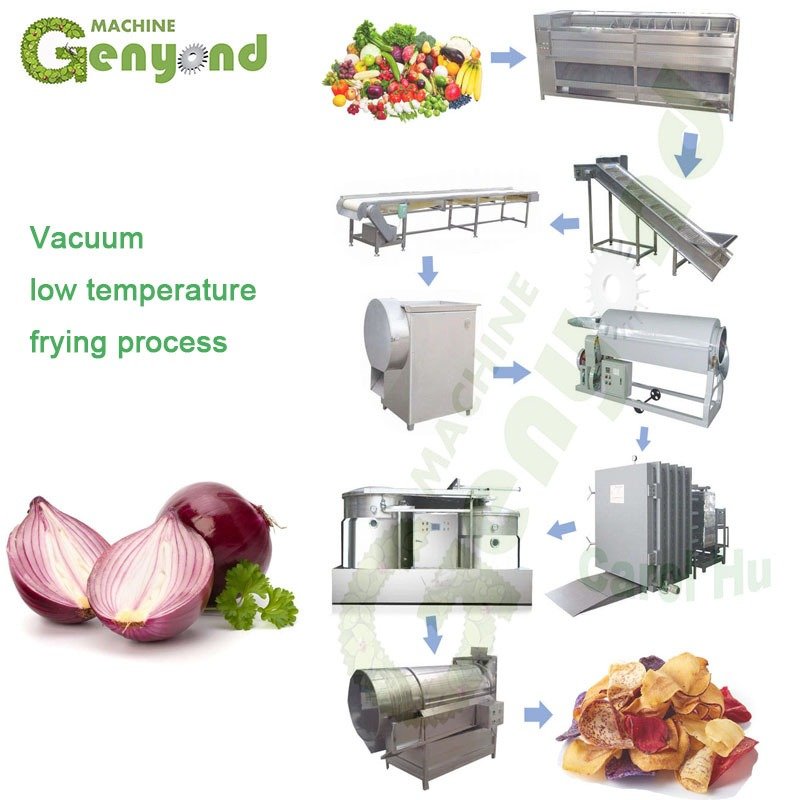
Production line and factory setup overview
A small two-route line for drying whole figs and converting safe second-grade figs into packed fig paste.
Recommended lowest-entry line configuration For the lowest credible entry, select a 300 kg/batch line with washer, sorting table, heat-pump dryer, grader, crusher-pulper, small vacuum cooking kettle and two packing formats.
300 kg/batchstarter fresh-fig dryer load
100-200 Lpaste cooking batch
2whole and paste routes
6-9entry operators
Production process and implementation sequence
- Receiving and defect sorting
- Gentle washing and draining
- Whole-fruit tray drying
- Conditioning and grading
- Routing safe off-grade fruit to paste
- Crushing, pulping and vacuum cooking
- Pasteurization or hot filling
- Packing, coding and dry storage
Products, capacity and market fit
- Afghan figs can be preserved close to orchards and sold beyond the short fresh season.
- A two-route plant protects whole-fruit value while finding a controlled outlet for safe cosmetic off-grade fruit.
- Fig paste supplies bakeries and confectioners with a consistent ingredient.
- Batch equipment keeps entry capital and seasonal risk lower.
- Whole dried figs - Buyer-approved moisture, size, infestation and color - Retail and wholesale buyers
- Fig paste - Controlled Brix, particle size and microbiology - Bakery, confectionery and ingredient users
Core production machinery and line specifications
| Machine / stage | Function / value | Production note |
|---|---|---|
| Washer and sorting table | Cleans and grades fragile figs | Low-drop gentle handling |
| Heat-pump tray dryer | Controls whole-fig dehydration | 300 kg/batch starter |
| Conditioning bins | Equalizes moisture | Covered food-grade containers |
| Size grader | Separates sale grades and paste feed | Gentle screens |
| Crusher-pulper | Prepares a uniform fig mash | Removable food-grade screen |
| Vacuum cooking kettle | Concentrates paste with reduced scorching | 100-200 L batch |
| Paste hot filler | Packs validated paste | Pouch or pail format |
| Whole-fruit weigher and sealer | Packs dried figs | Moisture-barrier pack |
Raw materials, utilities and factory requirements
- Sound Afghan figs segregated by grade
- Potable water
- Only declared paste ingredients
- Pouches, jars or pails, liners, labels and cartons
- Stable three-phase electricity
- Potable process water and hygienic drainage
- Food-grade heat source
- Ventilated washable processing room
- Clean dry packing and finished-goods storage
Indicative low-entry investment and implementation plan
These planning ranges prioritize economical machinery, local labor and local civil works. Final pricing follows confirmed capacity, product specification, delivery terms and site conditions.
| Scope | Indicative range | Entry-plan note |
|---|---|---|
| Washing, sorting and handling | US$4k-9k | Gentle fruit preparation |
| Heat-pump dryer, trays and bins | US$9k-20k | 300 kg/batch |
| Pulper and vacuum kettle | US$7k-16k | Small paste route |
| Two packing formats and QC tools | US$4k-9k | Semi-manual launch |
| Freight, installation and spares | US$4k-10k | Heat source confirmed separately |
| Indicative low-entry total | US$28k-64k | Building, fruit and working capital excluded |
Detailed proposal and next step
The proposal contains the complete line flow, machinery scope, raw-material and utility requirements, implementation stages and indicative entry planning. Final configuration follows confirmed products, capacity, site and budget.