
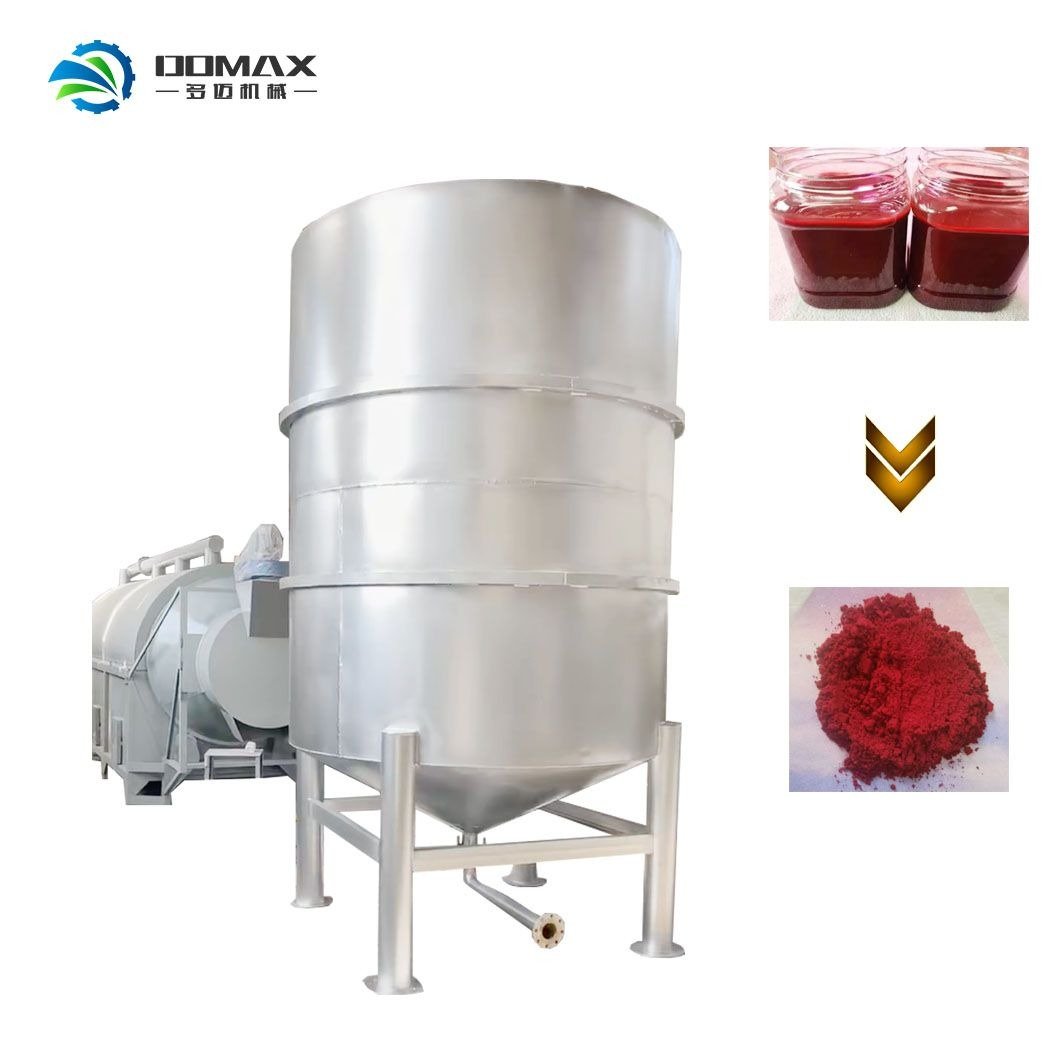
Production line and factory setup overview
A closed small/medium line converting fresh segregated abattoir blood into dried fertiliser ingredient through anticoagulant-free hygienic collection where specified, screening, chilled short holding, controlled coagulation/cooking, mechanical dewatering, indirect or rotary drying, cooling, milling, screening and sealed bagging. Blood decomposes rapidly, so daily coordinated collection and odour control are fundamental.
Recommended lowest-entry line configuration For the lowest credible entry, locate beside one licensed abattoir and use a 200-500 kg blood/batch screened collection tank, 3-ton or smaller coagulation/cooking vessel, press dewaterer, indirect or controlled rotary dryer, crusher and bagger. Sell only analysed fertiliser-grade blood meal; do not claim feed grade without separate approval.
Production process and implementation sequence
- Closed by-product receiving
- Size reduction or liquid screening
- Controlled thermal cooking/coagulation
- Mechanical dewatering or pressing
- Validated drying
- Cooling and protected transfer
- Grinding, screening and metal check
- Bagging, coding and dry storage
Products, capacity and market fit
- Formal abattoirs need safe routes for high-load animal by-products.
- Thermal processing can convert a disposal cost into a controlled product.
- A batch plant matches variable Afghan slaughter volumes.
- The final market must be legally confirmed before equipment purchase.
- Blood-meal fertiliser ingredient - Declared nitrogen/protein analysis, controlled moisture, pathogen treatment and particle size - Licensed fertiliser blenders and agricultural users
- Feed-grade blood meal expansion - Only under feed authority approval and buyer microbiological/nutritional standard - Licensed feed mills after validation
Core production machinery and line specifications
| Machine / stage | Function / value | Production note |
|---|---|---|
| Closed receiving bins and feed system | Contains and meters fresh by-product | 200-500 kg blood/batch |
| Crusher or screened transfer pump | Creates a controlled uniform feed | Material-specific design |
| Batch cooker or coagulation vessel | Applies the validated thermal treatment | Recorded temperature and time |
| Press or dewatering unit | Reduces liquid load before drying | Yield trial required |
| Indirect or rotary dryer | Reaches safe stable moisture | Exhaust and fire controls included |
| Condenser and odour treatment | Controls vapour and nuisance emissions | Site-specific mandatory scope |
| Cooler, mill and screen | Produces stable controlled particle size | Low-dust enclosed transfer |
| Scale, bagger and dust collector | Packs and identifies released meal | 20-25 kg entry bags |
Raw materials, utilities and factory requirements
- Fresh segregated abattoir by-product collected in closed washable bins
- Food/feed/fertiliser packaging selected for the legally approved end use
- Fuel or steam, filter media and approved cleaning chemicals
- Laboratory samples, calibration materials and traceability labels
- Stable three-phase electricity matched to motors and controls
- Potable process and sanitation water with adequate pressure
- Process heat or steam sized to the confirmed thermal load
- Washable rooms, trapped drainage, pest control and hygiene barriers
- Odour, wastewater and by-product controls approved for the site
Indicative low-entry investment and implementation plan
These planning ranges prioritize economical machinery, local labor and local civil works. Final pricing follows confirmed capacity, product specification, delivery terms and site conditions.
| Scope | Indicative range | Entry-plan note |
|---|---|---|
| Closed collection and coagulation | US$12k-35k | 200-500 kg blood/batch |
| Dewatering and drying system | US$30k-85k | Batch fertilizer-grade entry |
| Cooling, milling and bagging | US$12k-32k | 20-25 kg bags |
| Odour, wash and effluent controls | US$15k-45k | Mandatory adjacent-abattoir scope |
| Freight, installation and spares | US$14k-38k | Thermal commissioning |
| Indicative low-entry total | US$83k-235k | Building and blood collection vehicle excluded |
Detailed proposal and next step
The proposal contains the complete line flow, machinery scope, raw-material and utility requirements, implementation stages and indicative entry planning. Final configuration follows confirmed products, capacity, site and budget.