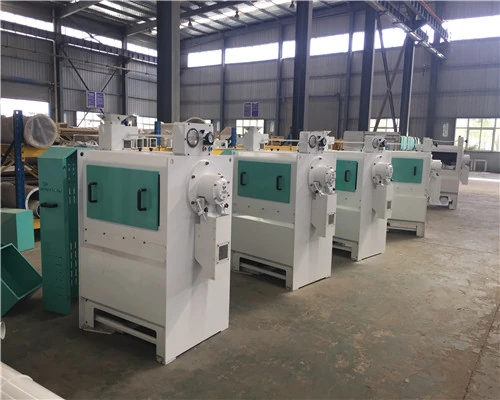
Production line and factory setup overview
This wet-processing line converts released edible almond kernels into peeled whole kernels and uniform almond slices. Controlled hot-water blanching loosens brown skin, followed by rapid cooling, mechanical skin removal, surface drying, moisture conditioning and slicing. It must receive shelled food-grade kernels; it does not replace the shelling line.
Recommended lowest-entry line configuration For the lowest credible entry, select a 100-200 kg/h kernel line with feed inspection, hot-water blancher, cooler, rubber-roll skin peeler, air separator, surface dryer, conditioning bins, 0.5-2 mm slicer and semi-automatic packer.
Production process and implementation sequence
- Kernel receiving, allergen control and inspection
- Hot-water blanching for skin loosening
- Rapid cooling and draining
- Rubber-roll skin removal
- Air separation and manual inspection
- Surface drying and moisture conditioning
- Controlled slicing and fines separation
- Metal detection and moisture-barrier packing
Products, capacity and market fit
- Blanched kernels and slices command different buyers than in-shell almonds.
- Afghan bakeries and confectioners can use uniform slices for decoration and formulations.
- Skin removal and controlled slicing create higher-value grades from released kernels.
- A compact line can operate to confirmed orders without duplicating shelling equipment.
- Blanched whole almonds - Buyer-approved skin removal, moisture, defects and microbiology - Confectionery, bakery and ingredient buyers
- Sliced almonds - Controlled 0.5-2 mm thickness and low fines - Bakeries, cereal, dessert and retail buyers
Core production machinery and line specifications
| Machine / stage | Function / value | Production note |
|---|---|---|
| Kernel inspection conveyor | Rejects shell, rancid and damaged kernels | Allergen-controlled clean area |
| Hot-water blancher | Loosens brown almond skin | Recorded time and temperature |
| Cooling and draining conveyor | Stops heating and removes free water | Potable cooling water |
| Rubber-roll skin peeler | Removes loosened skins with limited damage | Adjustable roll pressure |
| Air separator and inspection table | Removes skins and remaining defects | Variable airflow |
| Surface dryer | Reduces water before conditioning | Low-temperature filtered air |
| Almond slicer | Cuts conditioned kernels uniformly | 0.5-2 mm adjustable setting |
| Detector and pouch sealer | Checks and packs released product | Moisture-barrier bulk or retail pack |
Raw materials, utilities and factory requirements
- Released food-grade Afghan almond kernels
- Potable hot and cooling water
- Moisture-barrier pouches or bulk liners
- Labels and cartons
- Stable three-phase electricity
- Potable process water and hygienic drainage
- Food-grade heat source where required
- Ventilated washable processing room
- Clean dry packing and finished-goods storage
Indicative low-entry investment and implementation plan
These planning ranges prioritize economical machinery, local labor and local civil works. Final pricing follows confirmed capacity, product specification, delivery terms and site conditions.
| Scope | Indicative range | Entry-plan note |
|---|---|---|
| Kernel inspection, blanching and cooling | US$7k-16k | 100-200 kg/h wet section |
| Skin peeling and separation | US$5k-11k | Rubber-roll and aspiration |
| Surface drying and conditioning | US$4k-10k | Low-temperature system |
| Slicing, detection and packing | US$5k-12k | Whole plus sliced grades |
| Freight, installation and spares | US$4k-9k | Hot-water and drainage interfaces |
| Indicative low-entry total | US$25k-58k | Shelling line, building, kernels and working capital excluded |
Detailed proposal and next step
The proposal contains the complete line flow, machinery scope, raw-material and utility requirements, implementation stages and indicative entry planning. Final configuration follows confirmed products, capacity, site and budget.