
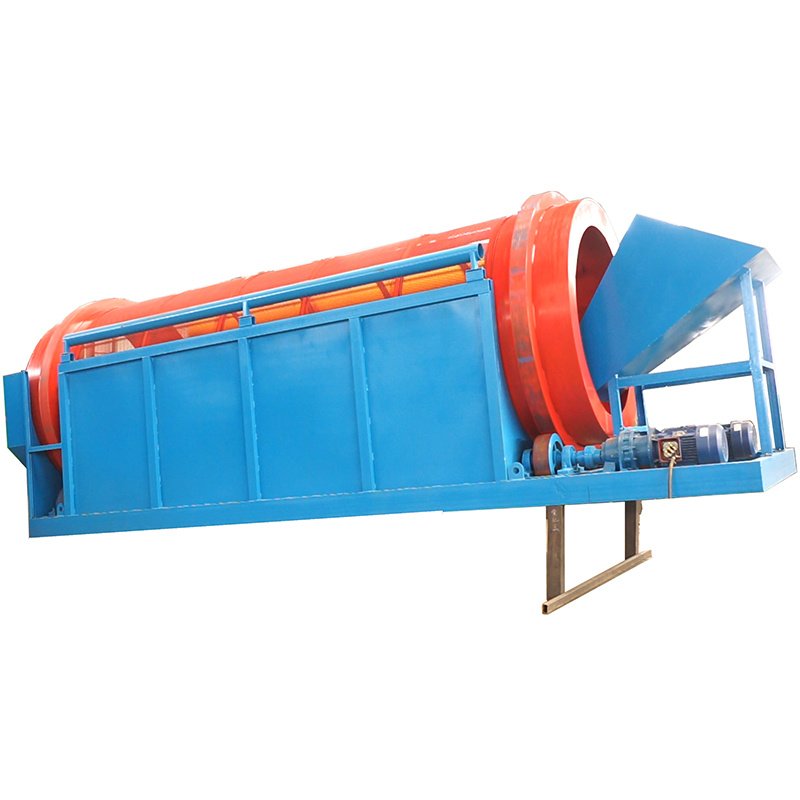
Production line and factory setup overview
A micro/workshop biological line converting source-controlled, pre-composted cattle manure and selected plant residues into mature worm castings through hot pre-composting away from the worms, cooling and feed acceptance, shaded raised-bed vermiculture, moisture and temperature control, staged feeding, gentle harvesting, low-impact screening with worm and cocoon return, maturity and hygiene testing, and breathable bagging. It is not ordinary compost screening and it must never feed fresh hot manure directly to worms.
Recommended lowest-entry line configuration Start with one documented cattle-manure and chopped-plant feed recipe, six to ten roofed masonry beds, separate pre-composting bays, moisture probes, shade and drainage, a gentle 0.5-1 t/h trommel or vibrating screen, worm/cocoon recovery tables, scales and 10-25 kg bagging. Buy a verified local Eisenia fetida starter culture and prove one full biological cycle before expanding.
Production process and implementation sequence
- Feed-source approval and hot pre-composting
- Cooling and feed maturity check
- Bed preparation and verified worm inoculation
- Staged feeding and moisture control
- Curing and gentle harvest
- Low-impact screening
- Worm and cocoon recovery
- Maturity, hygiene and bag-weight release
Products, capacity and market fit
- Cattle manure and crop residues are widely available around Afghan livestock and farming areas.
- Vermicompost can serve nurseries and higher-value horticulture when quality is consistent.
- Roofed beds and manual handling keep the credible entry small.
- Pre-compost temperature, salinity, moisture, pathogens and worm recovery decide success.
- Screened vermicompost soil amendment - Declared feed source, maturity, moisture, pH, EC, organic matter, foreign matter, pathogens and net mass - Nurseries, greenhouses, orchards and intensive horticulture
Core production machinery and line specifications
| Machine / stage | Function / value | Production note |
|---|---|---|
| Separate pre-composting bays | Stabilize and sanitize feed before worms | Temperature log |
| Roofed raised worm beds | Maintain aerated shaded habitat | 6-10 entry beds |
| Moisture, temperature and irrigation kit | Controls biological conditions | Every bed |
| Gentle trommel or vibrating screen | Separates castings without crushing culture | 0.5-1 t/h |
| Worm/cocoon recovery tables | Returns culture to active beds | Manual inspection |
| Scale, stitcher and test kit | Releases traceable bags | 10-25 kg |
Raw materials, utilities and factory requirements
- Source-controlled cattle manure after hot pre-composting
- Clean chopped crop residues or bedding in an approved ratio
- Verified Eisenia fetida starter culture
- Breathable sacks, thread, labels and retained-sample bags
- Stable three-phase electricity with verified connected load
- Guarded machinery, lockout, ventilation and fire protection
- Covered segregated raw-material and finished-goods storage
- Maintenance tools, safe lifting and critical spare parts
- Reliable clean water, shade, drainage and washable floors
- Separated hot pre-compost and worm-bed zones
Indicative low-entry investment and implementation plan
These planning ranges prioritize economical machinery, local labor and local civil works. Final pricing follows confirmed capacity, product specification, delivery terms and site conditions.
| Scope | Indicative range | Entry-plan note |
|---|---|---|
| Pre-compost bays, roofed beds and drainage | US$5k-14k | Local civil work |
| Gentle screen, tables and handling tools | US$5k-13k | 0.5-1 t/h |
| Irrigation, test kit and bagging | US$3k-8k | One grade |
| Culture, setup and working tools | US$2k-5k | Pilot cycle |
| Indicative installed low-entry total | US$15k-40k | Land, building and feed stock excluded |
Detailed proposal and next step
The proposal contains the complete line flow, machinery scope, raw-material and utility requirements, implementation stages and indicative entry planning. Final configuration follows confirmed products, capacity, site and budget.