Production line and factory setup overview
A micro/small solid-fuel line making dense non-carbonized biomass briquettes from one locally available sawdust or crop-residue recipe through sorting, shredding or hammer milling, moisture conditioning, heated screw extrusion, controlled cooling, length cutting, strength and combustion checks and protected bundling or bagging. Carbonization into charcoal is excluded from this lowest-entry route.
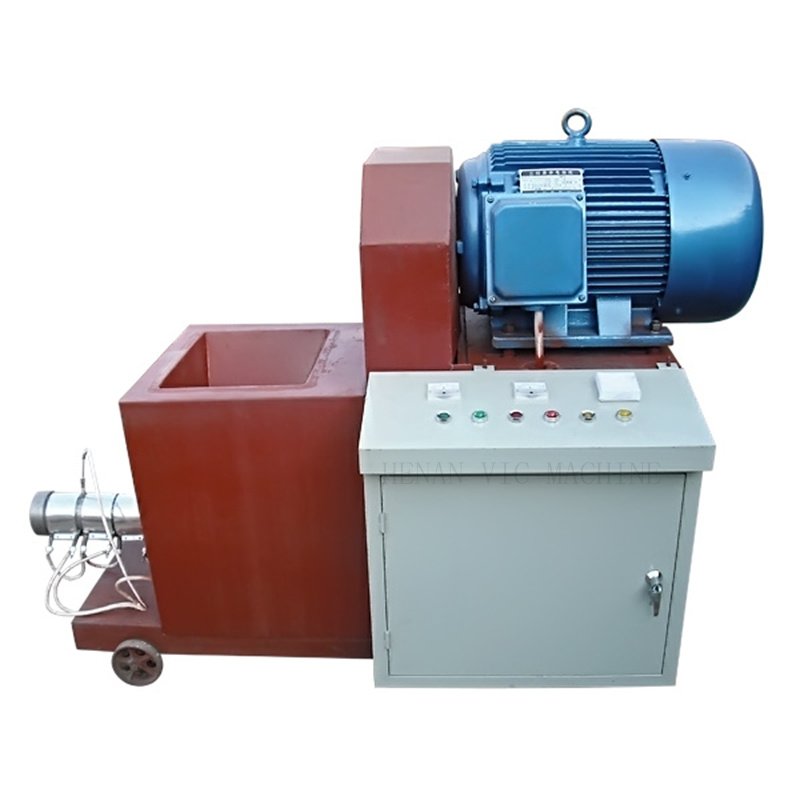
Recommended lowest-entry line configuration Launch one 50-70 mm non-carbonized briquette from a naturally dry sawdust-rich feed at 150-300 kg/h. Use a magnet, small hammer mill, covered moisture-conditioning bin, one screw briquette extruder with spare screw and heating rings, cooling rack, cut-off saw, weighing and bundling. Exclude carbonization furnaces until fuel demand, smoke control, fire safety and environmental approval are proven.
Production process and implementation sequence
- Residue acceptance and sorting
- Size reduction and screening
- Moisture conditioning
- Heated screw extrusion
- Cooling and length cutting
- Crack/strength inspection
- Combustion trial and batch release
- Bundling or moisture-protected bagging
Products, capacity and market fit
- Low-density crop and wood residues are costly to transport without densification.
- A single extruder can support a workshop-scale entry.
- Non-carbonized briquettes avoid the cost and emissions of a charcoal furnace.
- Moisture, screw wear, briquette strength and buyer-stove trials control viability.
- Non-carbonized biomass fuel briquette - One diameter and feed recipe with moisture, density, drop strength, ash, smoke and calorific-value limits - Bakeries, boilers and institutional stoves after firing trial
Core production machinery and line specifications
| Machine / stage | Function / value | Production note |
|---|---|---|
| Magnet, sorting table and small hammer mill | Cleans and sizes one feed | Below 3-5 mm as required |
| Covered conditioning bin and moisture meter | Stabilizes extrusion feed | Recipe-specific moisture |
| Heated screw briquette extruder | Compresses biomass without routine binder | 150-300 kg/h |
| Cooling rack and guarded cut-off saw | Sets and sizes briquettes | One diameter/length |
| Weighing and bundle/bag station | Protects saleable fuel | Buyer pack |
| Fuel test kit | Checks strength, ash and combustion | Batch release |
Raw materials, utilities and factory requirements
- One clean sawdust-rich or tested crop-residue feed
- Water for controlled conditioning only
- Approved binder only if technically necessary and declared
- Strapping, sacks, labels and pallets
- Stable three-phase electricity with verified connected load
- Guarded machinery, lockout, ventilation and fire protection
- Covered segregated raw-material and finished-goods storage
- Maintenance tools, safe lifting and critical spare parts
- Local dust extraction and spark/fire protection
- Dry covered cooling and finished-fuel area
Indicative low-entry investment and implementation plan
These planning ranges prioritize economical machinery, local labor and local civil works. Final pricing follows confirmed capacity, product specification, delivery terms and site conditions.
| Scope | Indicative range | Entry-plan note |
|---|---|---|
| Sorting, milling and conditioning | US$6k-16k | Naturally dry feed |
| Extruder, spare screw and cooling/cutting | US$9k-24k | 150-300 kg/h |
| Dust/fire controls, test kit and packing | US$6k-15k | Workshop basis |
| Freight, setup and spares | US$5k-13k | Wear-part stock |
| Indicative installed low-entry total | US$26k-68k | Dryer, carbonization, building and stock excluded |
Detailed proposal and next step
The proposal contains the complete line flow, machinery scope, raw-material and utility requirements, implementation stages and indicative entry planning. Final configuration follows confirmed products, capacity, site and budget.