
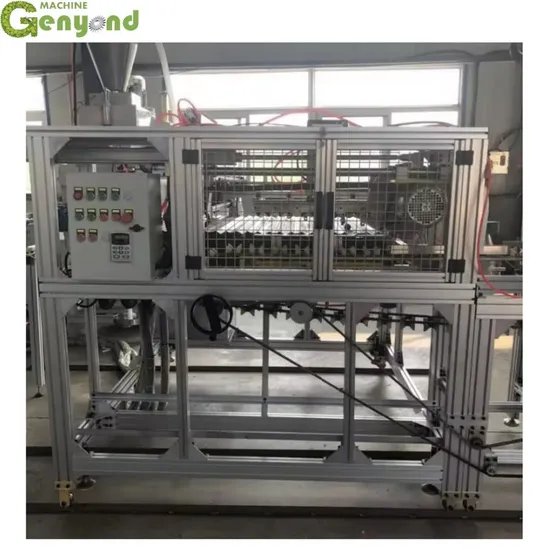
Production line and factory setup overview
A micro/workshop line converting verified Afghan beeswax into one moulded candle family through wax receipt and identity checks, controlled melting, coarse and fine filtration, temperature-managed mould filling, wick preparation and centring, cooling, demoulding, trimming, burn testing, labelling and carton packing. It is not a paraffin-blend or scented-candle line unless those inputs and claims are separately validated.
Recommended lowest-entry line configuration Launch one plain pillar or taper candle size using a jacketed wax melter, two-stage filtration, one or two mould families, wick-cutting/centring tools, cooling racks, trimming station, precision scale and burn-test bench. First qualify local wax for adulteration, melting range, colour, odour, ash and batch consistency before promising a pure-beeswax product.
Production process and implementation sequence
- Wax receipt, sampling and identity release
- Controlled melting and settling
- Coarse and fine wax filtration
- Wick cutting, priming and mould centring
- Temperature-managed mould filling
- Cooling, demoulding and trimming
- Burn, drip, soot and stability testing
- Lot labelling and carton packing
Products, capacity and market fit
- Afghan beekeeping can retain more value through clean, traceable wax conversion.
- A single candle format controls wick, burn and packaging variables at launch.
- Pure beeswax requires verification because paraffin adulteration changes performance.
- Gift, religious and household channels need clean appearance and safe burning behaviour.
- Plain moulded beeswax candle - Declared wax content, dimensions, mass, wick type, burn time, flame stability, drip, soot, fragrance status and lot code - Afghan household, gift, religious and tourism channels
Core production machinery and line specifications
| Machine / stage | Function / value | Production note |
|---|---|---|
| Jacketed wax melter and settling tank | Melts and holds wax without local overheating | 20-80 kg/day basis |
| Coarse and fine wax filters | Removes hive debris and visible contaminants | Food-safe cleanable system |
| Wick cutter and mould-centring tools | Prepares consistent candle combustion core | One wick family |
| Silicone or metal candle moulds | Forms one controlled pillar or taper product | One or two sizes |
| Cooling, trimming and burn-test station | Releases safe finished candles | Retained lot sample |
Raw materials, utilities and factory requirements
- Verified Afghan beeswax with source and purity records
- Cotton or approved natural-fibre wick matched by burn trials
- Labels, protective sleeves, small boxes and master cartons
- Stable three-phase electricity with verified connected load
- Guarded machinery, lockout, ventilation and fire protection
- Covered segregated raw-material and finished-goods storage
- Maintenance tools, safe lifting and critical spare parts
- Washable wax-handling floor and temperature-safe storage
- Clean non-food fragrance area only if a separate scented product is approved
Indicative low-entry investment and implementation plan
These planning ranges prioritize economical machinery, local labor and local civil works. Final pricing follows confirmed capacity, product specification, delivery terms and site conditions.
| Scope | Indicative range | Entry-plan note |
|---|---|---|
| Melter, filters and hand tools | US$2k-7k | Single plain candle family |
| Moulds, cooling and trim station | US$2k-8k | One or two sizes |
| Testing, packing and starter spares | US$1k-4k | Burn-test bench included |
| Freight, setup and wax trials | US$2k-6k | Local-wax qualification |
| Indicative installed low-entry total | US$7k-25k | Building and wax stock excluded |
Detailed proposal and next step
The proposal contains the complete line flow, machinery scope, raw-material and utility requirements, implementation stages and indicative entry planning. Final configuration follows confirmed products, capacity, site and budget.