
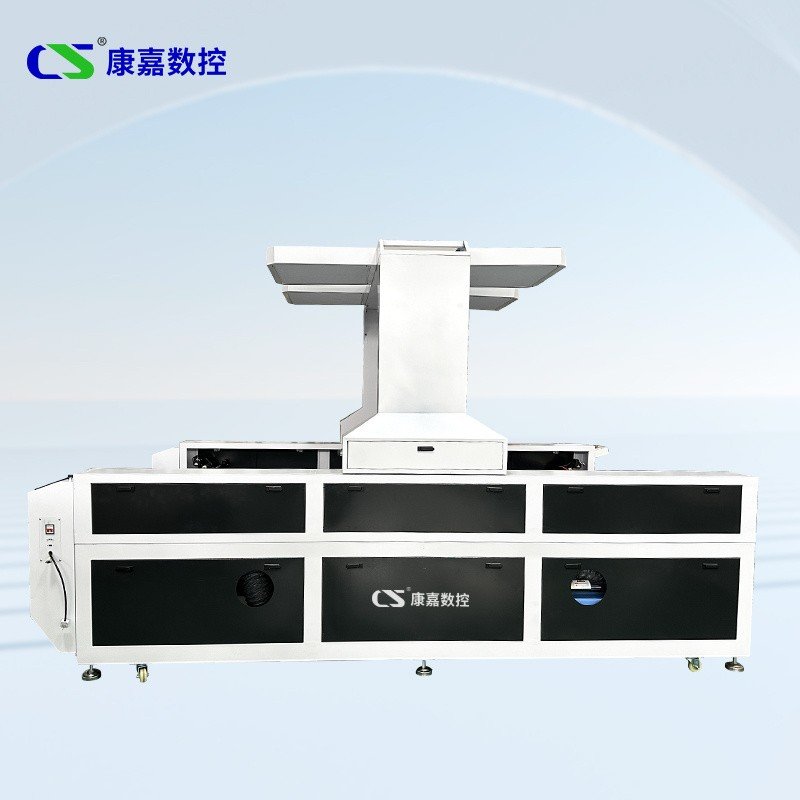
Production line and factory setup overview
Produces made-to-measure roller blinds by cutting coated textile to width, cutting aluminium tubes, fitting spring or chain-control mechanisms, hemming/attaching fabric, installing bottom bars, testing roll action and packing.
Recommended lowest-entry line configuration Start with selected blackout/sunscreen fabrics and common tube sizes. Validate fabric cut quality, tube straightness, clutch reliability, bottom-bar fit and compatible brackets before launch.
Production process and implementation sequence
- Fabric inspection and width cutting
- Tube and bottom-bar cutting
- Fabric edge/hem preparation
- Fabric-to-tube attachment
- Clutch/spring and bracket assembly
- Roll test, measurement and packing
Products, capacity and market fit
- Approve a physical sample and installation system.
- Start with a focused, saleable range.
- Keep records of material and quality checks.
- Roller blinds - Fabric width/edge quality, tube diameter, roll alignment, clutch or spring operation, drop length, bottom-bar weight and bracket fit - Homes, offices, schools, hotels, blind dealers and interior installers
Core production machinery and line specifications
| Machine / stage | Function / value | Production note |
|---|---|---|
| Fabric cutting table | Cuts clean blind widths | Edge/width accuracy |
| Tube cutter | Matches window width | Square/stable tube ends |
| Hem/attachment station | Connects fabric and roller tube | Straight roll alignment |
| Assembly/test bench | Fits control system | Raise/lower cycle test |
Raw materials, utilities and factory requirements
- Blackout or sunscreen fabric, aluminium tubes, bottom bars, clutches/springs, chains, brackets, end caps, adhesive/tape and packaging
- Stable power, dry covered workshop space and protected storage
- Guarded cutting/forming equipment, documented maintenance and essential spares
Indicative low-entry investment and implementation plan
These planning ranges prioritize economical machinery, local labor and local civil works. Final pricing follows confirmed capacity, product specification, delivery terms and site conditions.
| Scope | Indicative range | Entry-plan note |
|---|---|---|
| Fabric/tube cutting and attachment | US$5k–18k | Micro/small assembly line |
| Control assembly and packing | US$5k–20k | Selected fabric/tube range |
| Indicative entry total | US$14k–45k | Fabric/components stock excluded |
Detailed proposal and next step
The proposal contains the complete line flow, machinery scope, raw-material and utility requirements, implementation stages and indicative entry planning. Final configuration follows confirmed products, capacity, site and budget.