Production line and factory setup overview
Produces shaped refractory firebricks for specified temperature service from selected fireclay, alumina/silica and approved binders through crushing, precise grading and mixing, high-pressure pressing, controlled drying, high-temperature firing, sorting, dimensional inspection and packing.
Recommended lowest-entry line configuration Do not launch as ordinary brickmaking. First define the customer furnace type, temperature, atmosphere and required refractory grade. Start with one qualified fireclay or silica/alumina formulation, laboratory tests, a press, controlled dryer and refractory kiln; independent chemistry and fired-property validation are essential.
Production process and implementation sequence
- Raw-material qualification and crushing
- Particle-size grading and formula batching
- Binder addition and intensive mixing
- High-pressure pressing
- Controlled drying
- High-temperature refractory firing
- Cooling and dimensional sorting
- Laboratory release, packing and traceability
Products, capacity and market fit
- Approve a physical product sample and its applicable performance standard.
- Launch with a limited, high-demand format and documented mould/tool setting.
- Keep batch, firing/cure and release records for every production lot.
- Refractory firebricks - Refractory grade, chemistry, apparent porosity, bulk density, cold crushing strength, permanent linear change, thermal-shock behaviour and dimensions - Bakeries, ceramic kilns, foundries, boilers, lime/cement users and furnace-maintenance contractors
Core production machinery and line specifications
| Machine / stage | Function / value | Production note |
|---|---|---|
| Jaw/roller crusher and screens | Creates controlled refractory grain sizes | Grade-specific particle curve |
| Intensive mixer and scales | Controls chemistry and binder addition | Recorded formulation |
| High-pressure refractory press | Forms dense brick shapes | Qualified mould and press cycle |
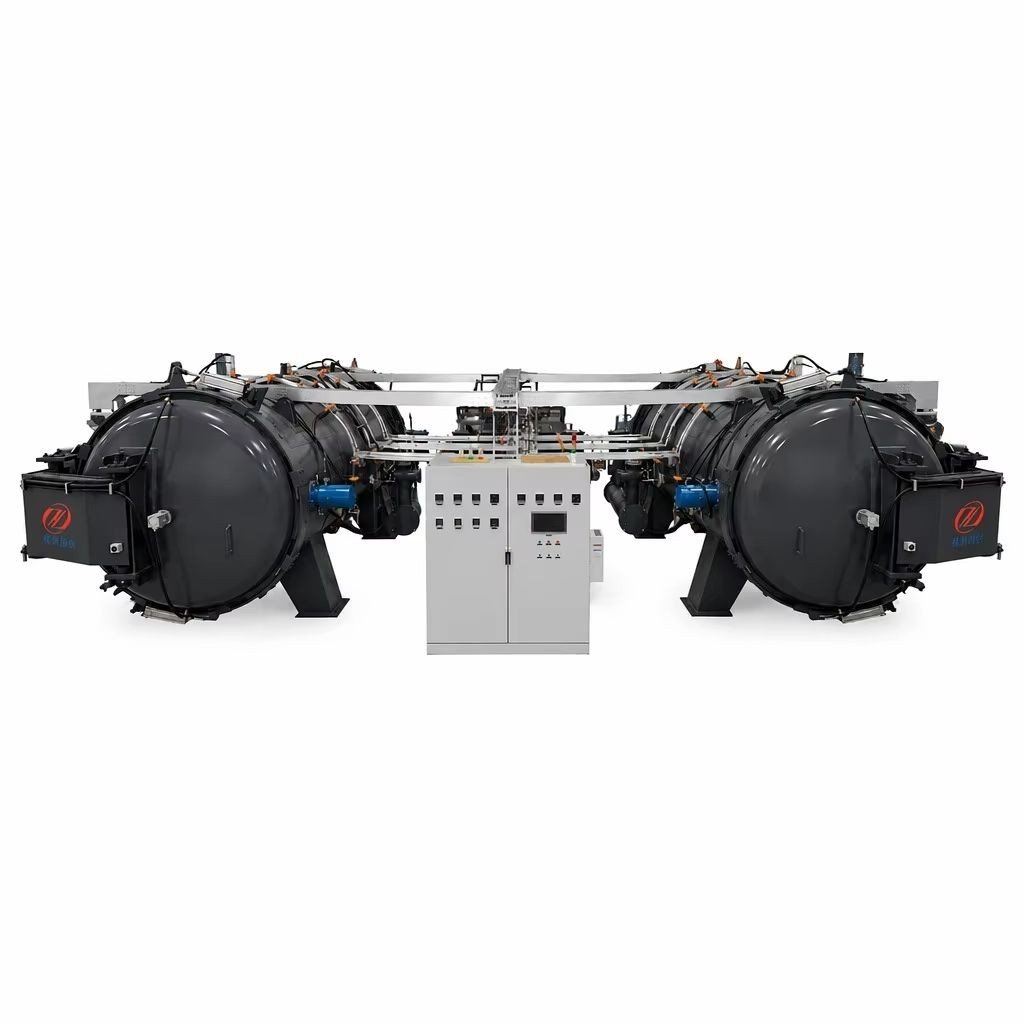
| Dryer and high-temperature kiln | Removes water and sinters refractory body | Temperature/soak record |
| Refractory laboratory | Releases safe service-grade product | Chemistry/porosity/strength testing |
Raw materials, utilities and factory requirements
- Qualified fireclay, silica or alumina materials, grog, approved binders, process water, kiln fuel/electricity, mould spares, laboratory consumables and packaging
- Stable three-phase electricity, covered raw-material storage and protected finished-goods space
- Guarded machinery, documented maintenance, essential spares and defined dust/heat controls
Indicative low-entry investment and implementation plan
These planning ranges prioritize economical machinery, local labor and local civil works. Final pricing follows confirmed capacity, product specification, delivery terms and site conditions.
| Scope | Indicative range | Entry-plan note |
|---|---|---|
| Crushing, grading, mixing and press | US$90k–300k | One qualified refractory grade |
| Drying, high-temperature kiln and controls | US$180k–650k | Temperature/atmosphere scope |
| Laboratory, handling, freight and commissioning | US$80k–260k | Independent material testing required |
| Indicative project total | US$350k–1.2m | Building, mine development and working stock excluded |
Detailed proposal and next step
The proposal contains the complete line flow, machinery scope, raw-material and utility requirements, implementation stages and indicative entry planning. Final configuration follows confirmed products, capacity, site and budget.