Production line and factory setup overview
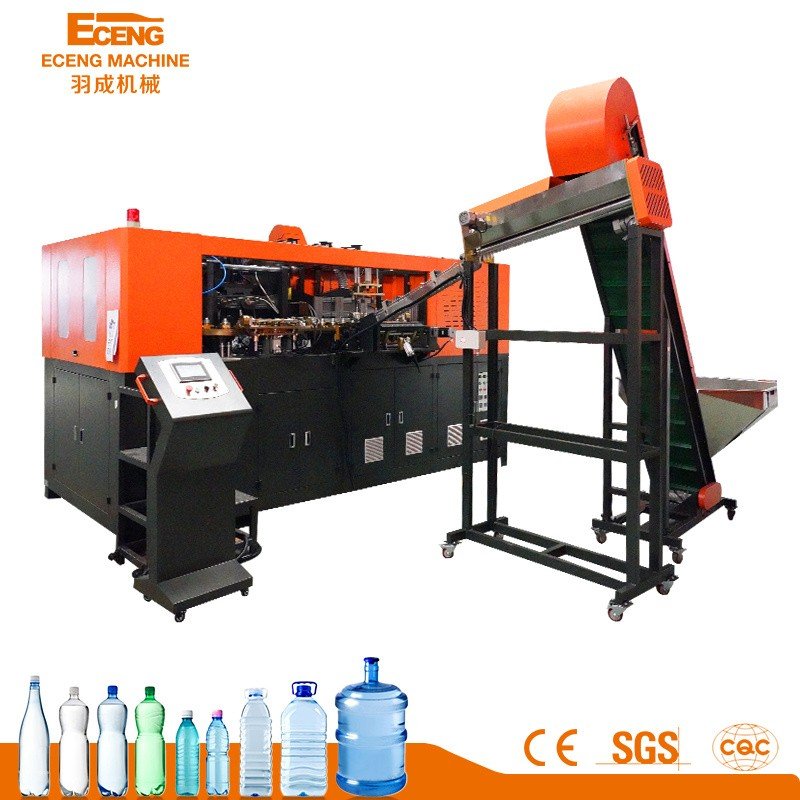
Manufactures aluminium or tool-steel blow moulds for PET bottles through bottle and preform review, stretch-blow-machine matching, CAD/CAM machining, cavity/base/neck fitting, cooling-channel work, polishing, leak and bottle trials, and dimensional inspection.
Recommended lowest-entry line configuration Launch with one bottle family for a named stretch-blow machine. Confirm preform neck finish and weight, bottle volume, machine cavity pitch, stretch-rod and base geometry, cooling, handle/label panel, resin, output rate and bottle tests before tooling.
Production process and implementation sequence
- Buyer drawing and machine-data review
- CAD/CAM and material selection
- Cutting, machining or casting of tool components
- Assembly, fitting and surface finishing
- Trial production with target material
- Dimensional, functional and repeat-cycle inspection
- Packing, documentation and release
Products, capacity and market fit
- Tooling is made only against an approved drawing and target production machine.
- Trial samples, dimensions and cycle-life evidence must be approved before final release.
- A small initial tool family keeps capital and spare-part complexity controlled.
- PET bottle blow moulds - Named stretch-blow machine, preform neck/weight, bottle volume, cavity pitch, base and body geometry, cooling, label panel, finish and cycle target - Bottled-water, beverage, edible-oil and household-chemical bottlers plus packaging-tool buyers
Core production machinery and line specifications
| Machine / stage | Function / value | Production note |
|---|---|---|
| Bottle/DFM design station | Matches bottle, preform and machine | Neck, volume and pitch |
| CNC machining cell | Cuts aluminium or steel cavities | Bottle geometry |
| Base/neck fitting bench | Assembles mould components | Seal and alignment |
| Cooling/polishing station | Optimizes bottle surface and cooling | Cycle/clarity |
| Blow trial and leak test | Validates bottle production | Weight, top load and leakage |
Raw materials, utilities and factory requirements
- Aluminium alloy or tool steel, mould bases, cooling fittings, neck/base inserts, fasteners, polishing consumables, gauges, representative preforms and packing
- Three-phase electricity, compressed air where required, guarded machining, covered tool storage and safe finished-tool handling
- Documented maintenance, critical wear spares, calibrated gauges and product-specific safety controls
Indicative low-entry investment and implementation plan
These planning ranges prioritize economical machinery, local labor and local civil works. Final pricing follows confirmed capacity, product specification, delivery terms and site conditions.
| Scope | Indicative range | Entry-plan note |
|---|---|---|
| Bottle design and CNC cavity machining | US$35k-130k | One PET bottle family |
| Base/neck, cooling, polishing and gauges | US$15k-65k | Machine-specific fit |
| Blow trials, testing and initial spares | US$10k-40k | Preform and bottle validation |
| Indicative entry total | US$60k-235k | Stretch-blow machine, compressor and plant excluded |
Detailed proposal and next step
The proposal contains the complete line flow, machinery scope, raw-material and utility requirements, implementation stages and indicative entry planning. Final configuration follows confirmed products, capacity, site and budget.