
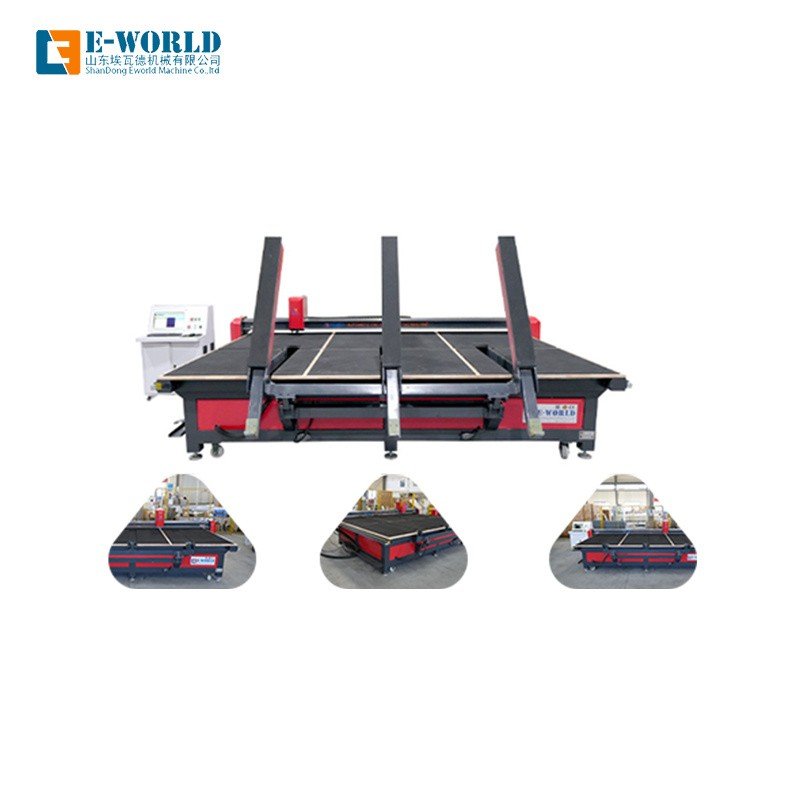
Production line and factory setup overview
Produces laminated safety glass from cleaned flat glass and PVB/EVA interlayers through clean-room assembly, de-airing, vacuum bag or nip-roll treatment, autoclave curing where specified, trimming, optical inspection and protected packing.
Recommended lowest-entry line configuration Begin with one qualified glass/interlayer family and the correct clean handling route. Validate adhesion, bubbles, moisture control, optical quality, impact/penetration performance and autoclave recipe with the target standard before commercial supply.
Production process and implementation sequence
- Glass washing and clean-room entry
- Interlayer conditioning/cutting
- Glass-interlayer layup
- De-airing by nip roll/vacuum bag
- Autoclave or controlled cure
- Trim and edge clean
- Optical/adhesion/impact inspection
- Packing and traceability
Products, capacity and market fit
- Confirm an installed sample and applicable performance standard.
- Launch with a defined product family and documented process settings.
- Keep material and release records for each batch.
- Laminated safety glass - Glass/interlayer thickness, optical quality, edge finish, adhesion, bubble level, impact/penetration performance, UV exposure and safety classification - Façades, windows, skylights, balustrades, security glazing and architectural contractors
Core production machinery and line specifications
| Machine / stage | Function / value | Production note |
|---|---|---|
| Glass washer and clean assembly room | Prevents inclusions and contamination | Cleanliness/moisture control |
| Interlayer cutter/layup table | Builds aligned laminate stack | PVB/EVA handling conditions |
| Nip roll or vacuum system | Removes trapped air | Bubble-free prelaminate |
| Autoclave/cure system | Bonds laminate permanently | Pressure/temperature cycle |
| Safety-glass laboratory | Releases laminated product | Optical/adhesion/impact test |
Raw materials, utilities and factory requirements
- Cut flat glass, qualified PVB/EVA interlayers, clean-room consumables, release materials, packaging, edge-trim tools and autoclave seals/spares
- Stable industrial power, clean covered glass storage and protected handling routes
- Guarded machinery, glass-breakage procedures, PPE, maintenance plan and critical spares
Indicative low-entry investment and implementation plan
These planning ranges prioritize economical machinery, local labor and local civil works. Final pricing follows confirmed capacity, product specification, delivery terms and site conditions.
| Scope | Indicative range | Entry-plan note |
|---|---|---|
| Clean-room layup and de-airing | US$80k–250k | One qualified laminate route |
| Autoclave, trimming and test systems | US$150k–500k | Safety/quality scope |
| Utilities, installation and spares | US$70k–220k | Material trials included |
| Indicative total | US$300k–970k | Building and glass stock excluded |
Detailed proposal and next step
The proposal contains the complete line flow, machinery scope, raw-material and utility requirements, implementation stages and indicative entry planning. Final configuration follows confirmed products, capacity, site and budget.