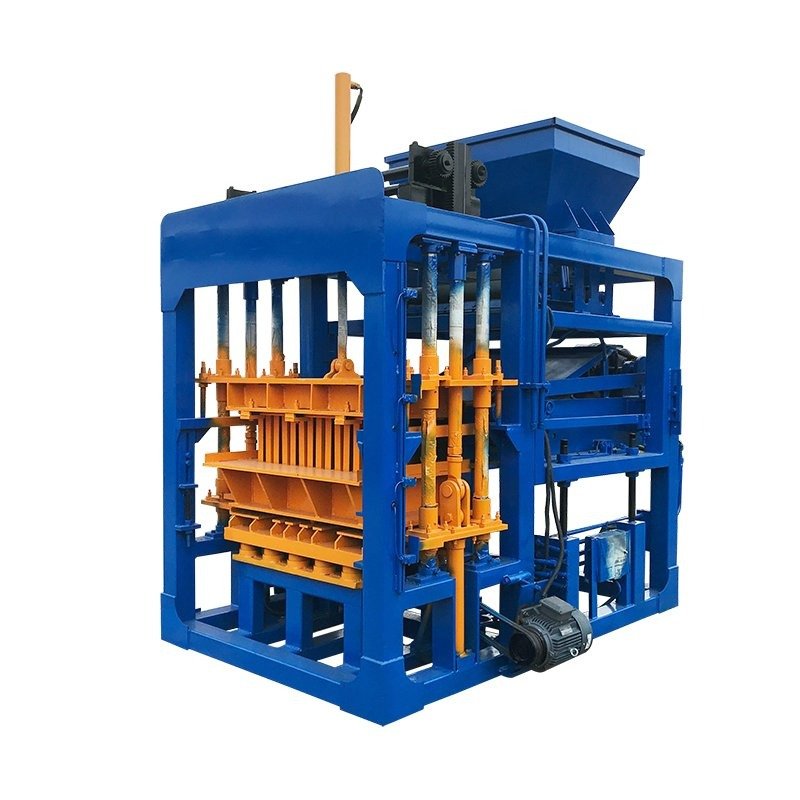
Production line and factory setup overview
Makes rigid steel or rubber-assisted moulds for kerbstones, drainage channels and covers through drawing preparation, cutting/bending/welding, closure and insert fitting, surface treatment, trial casting and dimensional/load-fit inspection.
Recommended lowest-entry line configuration Start with municipal/high-demand sizes and one cover/channel system. Confirm hydraulic section, kerb profile, joint detail, reinforcement, lifting, load class, mould rigidity and site-install geometry.
Production process and implementation sequence
- Design/drawing approval
- Pattern/tool preparation
- Material cutting/layup or machining
- Mould assembly
- Surface/release treatment
- Trial casting/pressing
- Dimensional/repeat-use inspection
- Packing and release
Products, capacity and market fit
- Approve a physical sample and applicable standard.
- Launch with a defined product range and documented tool settings.
- Keep material and quality records for each batch.
- Kerbstone and drainage-channel moulds - Kerb/channel/cover size, hydraulic section, mould material, reinforcement/insert detail, joint profile, lifting, load class, surface finish and casting cycles - Paver yards, municipal works, roads, compounds, drainage contractors and precast workshops
Core production machinery and line specifications
| Machine / stage | Function / value | Production note |
|---|---|---|
| Plate cut/bend cell | Prepares mould bodies | Section geometry |
| Welding/fixture station | Assembles rigid channels | Straightness/closure |
| Insert/closure bench | Fits joint/lift details | Cover/channel fit |
| Surface/release station | Finishes concrete face | Release/texture |
| Trial fit/load gauge | Checks system | Joint/dimension/repeat use |
Raw materials, utilities and factory requirements
- Steel plate/sections, rubber liners where needed, closure/lift hardware, release coatings, welding consumables, patterns and packing
- Stable electricity, covered raw-material storage and protected finished-goods handling
- Guarded equipment, documented maintenance, essential spares and product-specific safety controls
Indicative low-entry investment and implementation plan
These planning ranges prioritize economical machinery, local labor and local civil works. Final pricing follows confirmed capacity, product specification, delivery terms and site conditions.
| Scope | Indicative range | Entry-plan note |
|---|---|---|
| Cut/bend/weld and fixture tools | US$4k-18k | Municipal size family |
| Surface, inserts and trial gauges | US$3k-14k | Cover/channel fit |
| Setup/material trials | US$2k-8k | Load-seat validation |
| Indicative entry total | US$9k-40k | Workshop/master design excluded |
Detailed proposal and next step
The proposal contains the complete line flow, machinery scope, raw-material and utility requirements, implementation stages and indicative entry planning. Final configuration follows confirmed products, capacity, site and budget.