
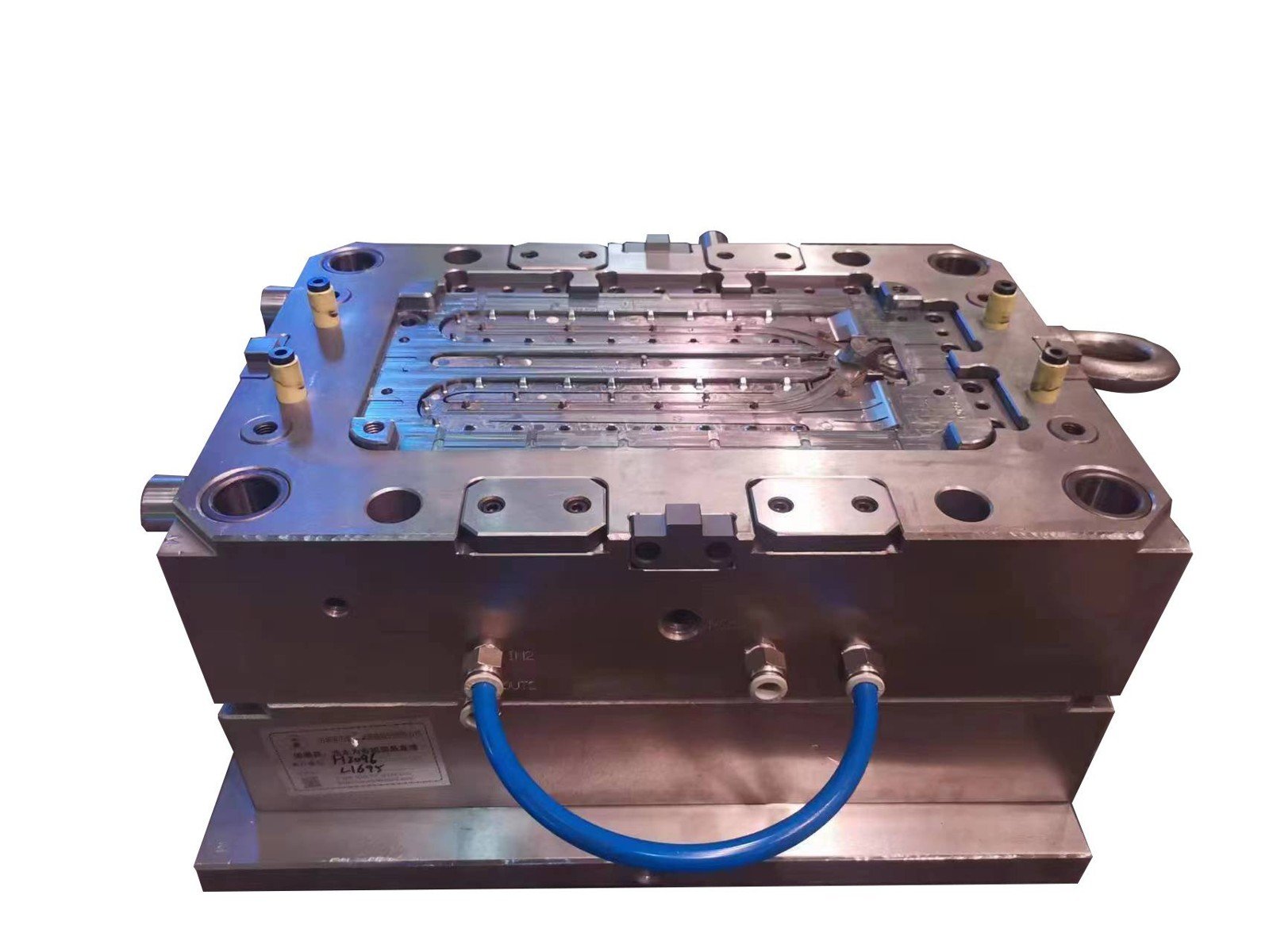
Production line and factory setup overview
Designs and manufactures injection moulds for household plastic products such as buckets, basins, hangers, storage items and small utensils through product engineering, DFM review, mould-base selection, CNC/EDM machining, cooling/slider fitting, polishing, injection trials and cycle validation.
Recommended lowest-entry line configuration Start with simple high-demand items and one named injection machine range. Confirm resin, product weight, wall thickness, mould cavities, hot/cold runner, gate, cooling, ejection, machine clamp force, shot capacity and cycle target before machining.
Production process and implementation sequence
- Buyer drawing and machine-data review
- CAD/CAM and material selection
- Cutting, machining or casting of tool components
- Assembly, fitting and surface finishing
- Trial production with target material
- Dimensional, functional and repeat-cycle inspection
- Packing, documentation and release
Products, capacity and market fit
- Tooling is made only against an approved drawing and target production machine.
- Trial samples, dimensions and cycle-life evidence must be approved before final release.
- A small initial tool family keeps capital and spare-part complexity controlled.
- Household-plastic injection moulds - Named injection-machine range, resin, product weight and wall thickness, cavity count, runner/gate, cooling, ejection, surface texture and cycle time - Household-plastic factories, contract moulding shops, distributors and replacement-tool buyers
Core production machinery and line specifications
| Machine / stage | Function / value | Production note |
|---|---|---|
| Product/DFM design station | Matches product and mould to machine | Clamp force and shot size |
| CNC/EDM machining cell | Forms cores and cavities | Part geometry |
| Mould-base assembly bench | Fits guides, sliders and ejection | Movement and clearance |
| Cooling/polishing station | Completes mould surfaces and circuits | Cycle and finish |
| Injection trial machine | Validates moulded parts | Fill, warp and cycle time |
Raw materials, utilities and factory requirements
- P20/718/H13 or approved steel, mould bases, guides, springs, ejectors, cooling fittings, hot-runner parts where selected, polishing consumables, gauges and packing
- Three-phase electricity, compressed air where required, guarded machining, covered tool storage and safe finished-tool handling
- Documented maintenance, critical wear spares, calibrated gauges and product-specific safety controls
Indicative low-entry investment and implementation plan
These planning ranges prioritize economical machinery, local labor and local civil works. Final pricing follows confirmed capacity, product specification, delivery terms and site conditions.
| Scope | Indicative range | Entry-plan note |
|---|---|---|
| Design, CNC/EDM and mould-base tooling | US$45k-180k | Simple household mould family |
| Assembly, cooling, polishing and gauges | US$20k-85k | Function and surface control |
| Injection trials and first spare stock | US$15k-60k | Target-machine validation |
| Indicative entry total | US$80k-325k | Injection presses, building and working capital excluded |
Detailed proposal and next step
The proposal contains the complete line flow, machinery scope, raw-material and utility requirements, implementation stages and indicative entry planning. Final configuration follows confirmed products, capacity, site and budget.