
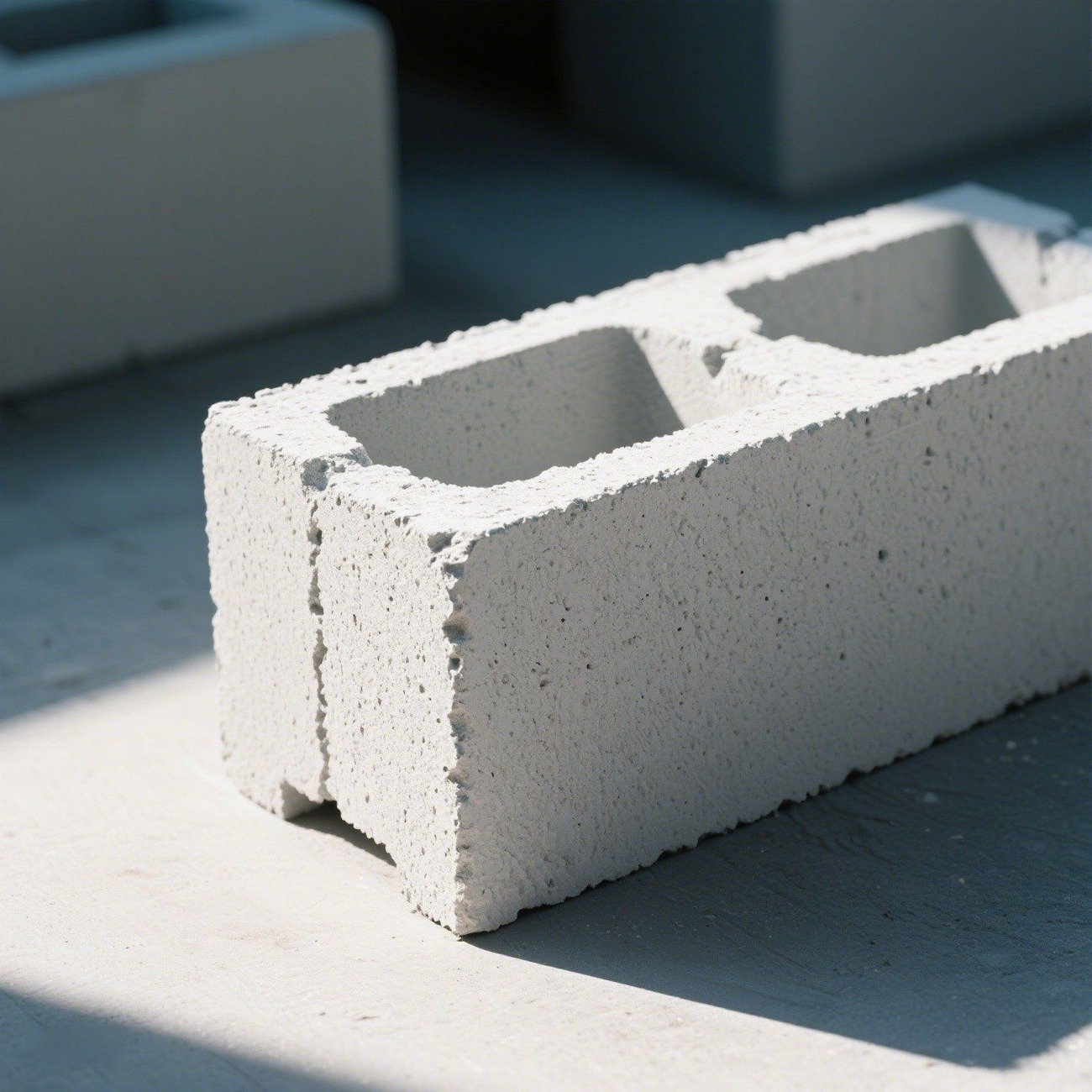
Production line and factory setup overview
A small/medium line converting released calcined gypsum plaster into dimensionally controlled hollow or solid partition blocks through plaster storage and dosing, measured water and additive preparation, high-shear mixing, mould filling, vibration and air release, controlled initial setting, hydraulic core withdrawal and demoulding, natural or assisted drying, edge finishing, dimensional and strength testing, palletizing and dry storage.
Recommended lowest-entry line configuration Launch one partition thickness and one block size using purchased specification plaster. Screen a semi-automatic 12-16 cavity moulding unit with plaster silo, screw feeder, water/additive dosing, mixer, mould/core system, demoulding cart, level drying racks, trimming tools and laboratory. Provide 7-10 days protected natural drying capacity before considering an energy-consuming dryer.
Production process and implementation sequence
- Plaster receiving, testing and sealed storage
- Water and approved additive preparation
- Measured dosing and high-shear mixing
- Mould filling, vibration and deaeration
- Controlled initial setting
- Core withdrawal and block demoulding
- Protected drying and moisture equalization
- Finishing, testing, palletizing and dry storage
Products, capacity and market fit
- Light gypsum partitions can reduce dead load and speed interior fit-out where building codes permit.
- One thickness concentrates mould investment, drying space and contractor training.
- Buying released plaster avoids coupling the launch to a separate calcination plant.
- Drying capacity and dimensional control—not moulding speed alone—govern saleable output.
- Hollow gypsum partition block - One buyer-approved size, thickness, density, moisture, dimensional tolerance and compressive strength - Interior partition contractors and building-material distributors
- Solid gypsum block - Separate density and handling specification after structural review - Selected internal non-load-bearing applications
Core production machinery and line specifications
| Machine / stage | Function / value | Production note |
|---|---|---|
| Plaster silo and screw dosing | Stores dry plaster and meters repeat batches | Sealed moisture protection |
| Water/additive dosing skid | Controls water-plaster ratio and approved additives | Calibrated load cells/meters |
| High-shear gypsum mixer | Produces uniform lump-free slurry | Matched to mould cycle |
| Hollow-block mould and core system | Forms one accurate block geometry | 12-16 cavity entry basis |
| Hydraulic demoulding and transfer carts | Withdraws cores and protects green blocks | Low-damage handling |
| Level drying racks | Supports blocks through protected natural drying | 7-10 days buffer |
| Trimming and pallet tools | Finishes edges and forms stable loads | Reusable corner protection |
| Block laboratory | Tests dimensions, moisture, density and strength | Buyer standard methods |
Raw materials, utilities and factory requirements
- Released calcined gypsum plaster with controlled setting and strength
- Clean process water and only validated setting/foaming additives
- Optional approved fibres or lightweight filler after product trials
- Pallets, separators, wrap, labels, mould release and critical seals/spares
- Three-phase power for mixer, hydraulics and conveying
- Dry plaster store protected from humidity and rain
- Level casting floor and large covered ventilated drying area
- Dust extraction at silo and dosing points
- Reliable clean water, drainage and wash-water settling
Indicative low-entry investment and implementation plan
These planning ranges prioritize economical machinery, local labor and local civil works. Final pricing follows confirmed capacity, product specification, delivery terms and site conditions.
| Scope | Indicative range | Entry-plan note |
|---|---|---|
| Silo, dosing, mixer and 12-16 cavity mould | US$55k-145k | One block size |
| Demoulding, carts, racks and finishing | US$28k-80k | Natural drying route |
| Dust control, laboratory and packing | US$18k-48k | Quality-release scope |
| Freight, civil works, installation and spares | US$30k-90k | Covered drying area dependent |
| Indicative installed low-entry total | US$131k-363k | Plaster plant, building and working capital excluded |
Detailed proposal and next step
The proposal contains the complete line flow, machinery scope, raw-material and utility requirements, implementation stages and indicative entry planning. Final configuration follows confirmed products, capacity, site and budget.