
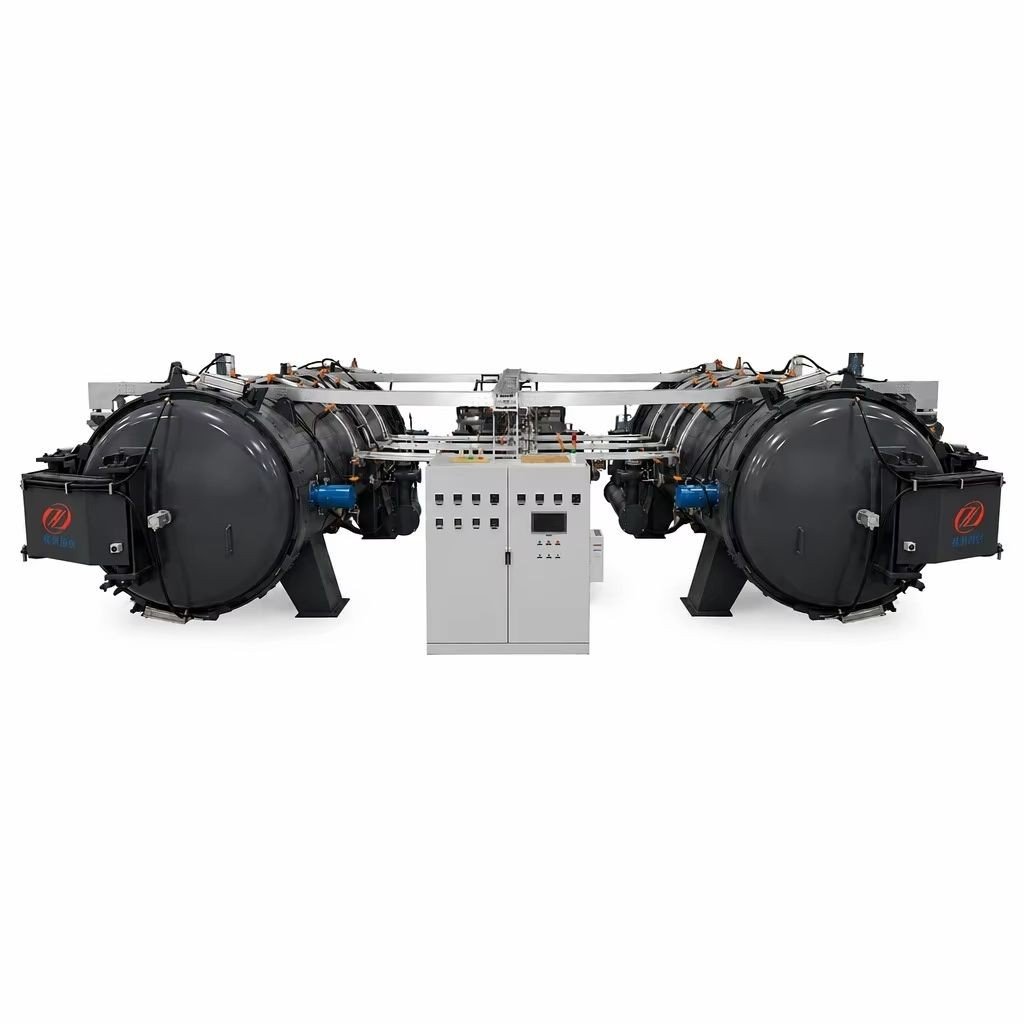
Production line and factory setup overview
Produces thermally tempered architectural glass by cut-edge inspection, washing, controlled furnace heating, rapid quench, fragmentation/flatness inspection, optional heat-soak testing, marking and protected packing.
Recommended lowest-entry line configuration Treat this as a glass-safety process. Select furnace size only after confirmed glass mix and buyer volume; validate edge quality, heating recipe, quench, anisotropy/flatness, fragmentation and local handling against the declared safety standard.
Production process and implementation sequence
- Cut glass receipt and edge inspection
- Washing
- Furnace heating to glass-specific recipe
- Rapid quench
- Flatness/roller-wave/optical inspection
- Fragmentation test
- Optional heat-soak cycle
- Marking, packing and traceability
Products, capacity and market fit
- Confirm an installed sample and applicable performance standard.
- Launch with a defined product family and documented process settings.
- Keep material and release records for each batch.
- Architectural tempered glass - Glass thickness, dimensions, flatness, roller wave, optical distortion, edge finish, fragmentation, stress pattern and safety marking - Windows, doors, façades, partitions, showers, furniture and building contractors
Core production machinery and line specifications
| Machine / stage | Function / value | Production note |
|---|---|---|
| Glass washer | Prepares clean glass | No surface contamination |
| Tempering furnace | Heats glass uniformly | Thickness/recipe control |
| Quench section | Creates tempered stress profile | Air pressure/balance |
| Fragmentation/optical QC | Verifies safe break pattern and appearance | Standard test grid |
| Glass handling/packing system | Protects released sheets | A-frame and separator system |
Raw materials, utilities and factory requirements
- Qualified cut flat glass, ceramic marking ink where used, washer consumables, handling pads, separators, protective wrap and critical furnace/quench spares
- Stable industrial power, clean covered glass storage and protected handling routes
- Guarded machinery, glass-breakage procedures, PPE, maintenance plan and critical spares
Indicative low-entry investment and implementation plan
These planning ranges prioritize economical machinery, local labor and local civil works. Final pricing follows confirmed capacity, product specification, delivery terms and site conditions.
| Scope | Indicative range | Entry-plan note |
|---|---|---|
| Tempering furnace and quench | US$180k–650k | Medium architectural glass line |
| Washing, handling, test and packing | US$70k–250k | Safe glass logistics scope |
| Electrical, installation and spares | US$60k–220k | Glass-specific commissioning |
| Indicative total | US$310k–1.12m | Building and glass stock excluded |
Detailed proposal and next step
The proposal contains the complete line flow, machinery scope, raw-material and utility requirements, implementation stages and indicative entry planning. Final configuration follows confirmed products, capacity, site and budget.